Molopo 2019 Recce Trip: A Journey Along One of Southern Africa’s Oldest Rivers
By Dries Blignaut
The Molopo Nature Reserve, nestled in South Africa’s North West Province, is a remote wilderness that beckons off-grid adventurers with its rugged beauty and untouched landscapes. Stretching along the ancient Molopo River—a 960-kilometer lifeline shared by South Africa, Botswana, and Namibia—this reserve offers a unique blend of Kalahari wildlife, red dunes, and serene riverbeds. In 2019, I embarked on a 7-day off-grid journey along the Molopo River, traveling from Johannesburg to Riemvasmaak with my 4×4 crew. Join me as I share this unforgettable adventure, updated for 2025, with practical tips, scenic highlights, and everything you need to plan your own trip to the Molopo Nature Reserve.
Day 1: Molopo Nature Reserve (630 km)
We kicked off our journey at 5:00 AM, leaving Johannesburg with the excitement of the Molopo Nature Reserve ahead. Driving along the N14, we passed through Coligny, Sanieshof, and Delareyville, stopping briefly in Sanieshof at a local café for coffee and snacks—a great spot to stretch your legs.
Our final stop for supplies was Vryburg, where we fueled up and grabbed essentials like ice and firewood at a local station (Mam’s Mega Stop was our go-to in 2019, but check for alternatives like Engen or Shell in 2025). From Vryburg, we took a 57 km dirt road to Vorstershoop, followed by an 18 km stretch to our first campsite in the Molopo Nature Reserve.
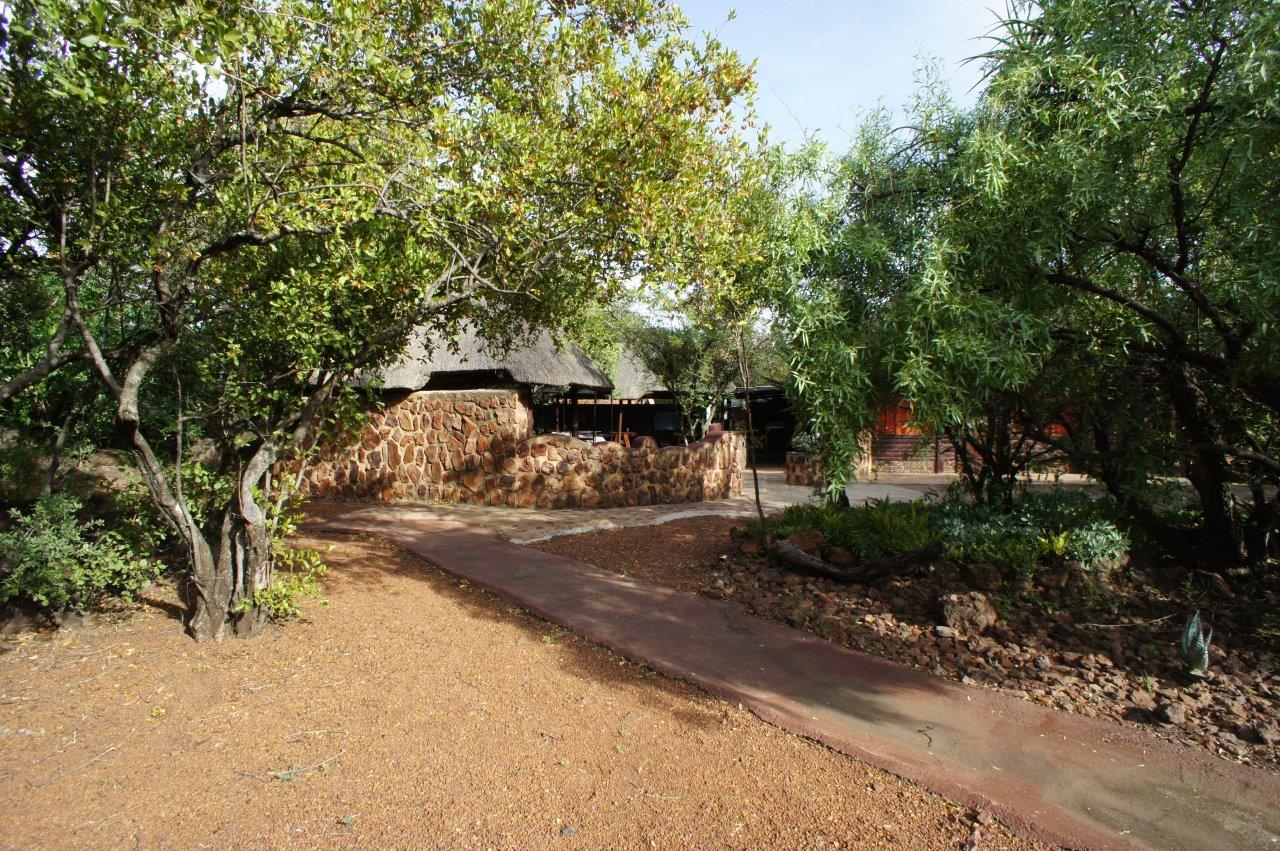
The campsite in the Molopo Nature Reserve was a perfect introduction to the wilderness. In 2019, it offered clean ablutions, hot showers, and electric points in the kitchen—an unexpected luxury for such a remote location. The reserve buzzed with wildlife, from springbok to black-backed jackals, making our first night under the Kalahari stars truly magical.
Day 2: Leeupan Guest Farm (253 km)
After a peaceful night in the Molopo Nature Reserve, we set out toward Van Zylsrus, driving through the reserve along the Molopo River’s dry riverbed. Be prepared for some manual work—there are about seven farm gates to open and close along this stretch, so pack gloves to avoid scratches.
We stopped at Springbok Pan to stretch our legs and met a local farmer who shared stories of the area’s history. Our next stop was the Van Zylsrus Hotel, a charming spot known for its hearty meals and friendly vibe. In 2019, it was a highlight of the day—call ahead to confirm it’s still open in 2025. After lunch, we stocked up on fuel and ice before continuing to Leeupan Guest Farm.
Leeupan Guest Farm was a tranquil place to camp. The campsite, set within a protective boma, had running water, a flush toilet, and a hot shower powered by a donkey boiler. Keep the fire going for a warm shower! The serenity of the Kalahari, paired with the distant calls of jackals, made for a restful night.
Day 3: Loch Maree (168 km)
We left Leeupan early, continuing our journey along the Molopo River toward Loch Maree. The dirt roads were rocky, and we encountered more farm gates, but the views made every moment worthwhile. The most stunning scenery was along the Botswana side of the river, separated from South Africa by a simple wire fence.
We arrived at Loch Maree around midday. The campsite boasted excellent facilities, including four showers and flush toilets with solar-powered hot water—a luxury in such a remote area. For those preferring a more rugged experience, there’s a bush camp closer to the viewpoint. Chalets are also available if you’re not in the mood for camping.
That evening, we enjoyed sundowners at the viewpoint, soaking in the panoramic vistas of red dunes and shimmering salt pans. It was the perfect way to end the day, with the Kalahari’s vastness stretching out before us.
Day 4: Exploring Loch Maree’s Dunes
Day 4 began with an early trip to the viewpoint for sunrise photos and coffee. Loch Maree is renowned for its 24 km salt pan, a dazzling white expanse surrounded by red dunes. After rains, the area transforms with vibrant yellow wildflowers—an incredible sight if you’re visiting in the wet season.
The highlight of the day was driving the nearby dunes. These dunes offer a mix of technical challenges and fun descents, perfect for 4×4 enthusiasts. Lower your tire pressure to around 1.2 bar for better traction, and take it slow on the steeper sections. After a thrilling day in the sand, we gathered around a campfire, marveling at the endless stars above.
Day 5: Riemvasmaak (95 km from Augrabies Falls)
We departed Loch Maree at 8:00 AM, following the Molopo River toward Kakamas. The dirt roads wound through rugged terrain, offering breathtaking views of the Kalahari landscape. Kakamas was our last stop for fuel, ice, and supplies before we detoured to Augrabies Falls, a must-see natural wonder.
Augrabies Falls was as stunning as ever, with its thundering cascades carving through the gorge. Entry fees in 2025 may be around ZAR 60 per person—check the South African National Parks website for updates. After soaking in the views, we continued to Riemvasmaak, arriving by late afternoon.
The campsites at Riemvasmaak, nestled along the Molopo Riverbed, were surrounded by towering cliffs. Facilities were basic, with flush toilets and a cold-water shower, but a nearby hot spring offered a refreshing dip under the stars—a perfect end to the day.
Day 6: Exploring Riemvasmaak
Riemvasmaak is a playground for adventurers, with options to suit every taste. You can tackle one of three 4×4 trails or hike 14 km along the Molopo River to its confluence with the Orange River. We chose to drive to the confluence, where the lush riverbanks of the Orange River contrasted beautifully with the arid surroundings.
After a leisurely breakfast on the riverbank, we spent the day capturing the scenery and wildlife with our cameras. Fish eagles soared overhead, and the dramatic landscape left us in awe of nature’s beauty.
Day 7: The Journey Home
On Day 7, we packed up and began the long drive back to Johannesburg. Depending on your schedule, you can head straight back via the N14 (around 8–9 hours) or take a more leisurely route with a stopover. Oranje Rus Resort on Kanoneiland is a great option for a relaxing break, or you can return to the Molopo Nature Reserve for one last night in the bush.
As we drove, we reflected on the journey—the solitude, the wildlife, and the sense of freedom that only the Molopo Nature Reserve can offer. It’s a trip that will stay with you long after you return home.
Conclusion
This 7-day off-grid adventure in the Molopo Nature Reserve was a perfect blend of rugged exploration, serene campsites, and thrilling 4×4 driving. From the starlit skies of the reserve to the dramatic confluence of the Molopo and Orange Rivers, every moment was a reminder of Southern Africa’s wild beauty. If you’re seeking an off-the-grid escape, the Molopo Nature Reserve should be at the top of your list. Pack your 4×4, plan your route, and get ready for an adventure you’ll never forget.
At OffGrid Adventures, we’re all about embracing the wild, rugged, and remote corners of nature. We cherish the simplicity of camping under the stars, cooking over an open fire, and waking up to the sounds of the wilderness. But every now and then, even the most dedicated off-grid adventurer deserves a little pampering.
Yes, we’re talking about leaving the tent and sleeping bag at home for a change. Sometimes, swapping out the campfire for a gourmet meal, and the camping mattress for a plush bed with a view, can offer a new perspective on the natural beauty we love so much.
But what if we told you that there’s a way to enjoy the comforts of luxury while still being right in the heart of the wild, with no fences separating you from the vast, untamed wilderness of Kruger National Park?
The Unfenced Frontier: Why It Matters
In the early 1990s, a groundbreaking conservation initiative began in South Africa. The fences that once separated Kruger National Park from its neighboring private reserves were gradually removed, creating what we now know as the Greater Kruger National Park. This expansive area now covers over 20,000 square kilometers—an area larger than some countries!
This decision to remove the fences wasn’t just about giving animals more space to roam, though that’s certainly a huge benefit. It was also about creating a more natural environment, where wildlife can follow ancient migratory routes, find mates from different gene pools, and live as they were meant to—without artificial boundaries.
For conservationists, this was a dream come true. The integration of private reserves with Kruger has allowed for better wildlife management and monitoring, helping to protect endangered species and maintain the ecological balance of this vast area. The free movement of animals between Kruger and the private reserves means that visitors to these areas are likely to see the same incredible diversity of wildlife that Kruger is famous for, but in a more intimate, less crowded setting.
Why This Is So Amazing
Imagine this: You’re lounging on the deck of your luxurious safari tent, and in the distance, you see a herd of elephants gracefully making their way across the horizon. These are the same elephants that might have spent the morning in Kruger National Park, but now, as the sun begins to set, they’ve wandered into the private reserve where you’re staying. There are no fences to keep them out—this is their land, too.
This free movement isn’t just incredible to witness—it’s vital for the health of the ecosystems in this area. By allowing animals to move as they naturally would, we’re helping to maintain the biodiversity that makes this part of the world so special.
Better Gene Pools: Animals can find mates from different areas, leading to healthier populations.
Natural Predation: Predators can follow their prey across larger territories, which helps maintain the balance of species in the ecosystem.
Wildlife Management: Conservationists can monitor and manage wildlife more effectively across this larger area, helping to protect endangered species and reduce human-wildlife conflict.
In essence, staying at one of these private reserves doesn’t just give you a luxurious experience—it places you in the middle of one of the world’s most successful conservation stories.
The Best of Both Worlds
The Greater Kruger area, with its unfenced boundaries, offers a unique opportunity to experience Africa’s wildlife in a way that’s both immersive and indulgent. These private reserves have taken full advantage of their unique position, providing visitors with a chance to enjoy the wild in comfort, without compromising on the authenticity of the experience.
In this blog, we’ll take you on a journey through six of these remarkable reserves, where you can enjoy the wild heart of Africa without sacrificing comfort. It’s the perfect way to reconnect with nature, all while indulging in the finest experiences South Africa’s wilderness has to offer.
1. Sabi Sand Game Reserve: The Pinnacle of Luxury and Wildlife Encounters
Credit to https://www.sabi-sands.com/
When it comes to luxury safaris, Sabi Sand Game Reserve sets the gold standard. Imagine stepping into a world where the lines between opulence and the wild blur seamlessly. Sabi Sand is not just famous for its world-class lodges; it’s the birthplace of eco-tourism in South Africa. Back in the 1940s, this reserve was among the first to open its gates to the idea of commercial safaris. It’s where the magic of conservation and tourism first mingled, creating a legacy that continues to thrive today.
But Sabi Sand’s allure doesn’t stop at its pioneering spirit. This reserve is the ultimate destination for spotting leopards. In fact, Sabi Sand is often dubbed the “Land of Leopards,” and for good reason. These elusive cats, often the hardest to spot on safari, are surprisingly common here. The leopards of Sabi Sand are accustomed to safari vehicles, allowing for breathtakingly close encounters that you’ll remember forever.
Many of the lodges here are still family-owned, passed down through generations, which adds a deep, personal connection to the land. Staying at one of these lodges means not just experiencing luxury, but also becoming part of a family legacy that’s been intertwined with the African wilderness for decades.
Why You’ll Love It:
For those special moments when you want to experience the wild with a touch of extravagance, Sabi Sand delivers in spades. Whether it’s sipping champagne on your private deck while a leopard saunters by or relaxing in an open-air lounge with views that stretch endlessly into the bush, this is luxury that doesn’t just pamper—it connects you to nature in the most profound way.
2. Timbavati Private Nature Reserve: Where Luxury Meets the Wild
Credit – https://www.visittimbavati.com/
Timbavati is where rugged charm meets understated luxury, a place where you can embrace the wild without losing the comforts of modern living. This reserve is famous worldwide as the home of the rare white lions—a genetic marvel that has captivated wildlife enthusiasts for decades. Spotting one of these mythical creatures in the wild is a bucket-list experience that few places on Earth can offer.
What makes Timbavati even more special is its strong commitment to conservation and community. The Timbavati Foundation works tirelessly with local communities to promote environmental education and sustainable development, ensuring that both the people and the wildlife thrive in this shared space. This isn’t just a place to visit; it’s a place where your stay actively contributes to preserving the beauty and biodiversity of the region.
The landscapes here are as diverse as the wildlife. From open savannahs that stretch as far as the eye can see, to dense mopane woodlands and riverine forests, every game drive feels like an exploration of a new world. Whether you’re watching elephants bathe in a river or following a pride of lions across the plains, Timbavati offers a safari experience that’s as varied as it is thrilling.
Why You’ll Love It:
If you’re someone who appreciates the balance between comfort and authenticity, Timbavati is your ideal destination. Stay in a semi-luxury tented camp like Tanda Tula, where you can drift off to sleep with the sounds of the wild all around you, or enjoy a walking safari that lets you feel the pulse of the African bush with every step. Here, the wild feels close enough to touch, yet there’s always a comfortable bed and a delicious meal waiting for you at the end of the day.
3. Klaserie Private Nature Reserve: The Hidden Gem for Off-Grid Enthusiasts
Credit – https://www.tourismupdate.co.za/
Klaserie is the kind of place you might dream about when you think of an off-the-grid adventure. Tucked away from the more famous reserves, Klaserie offers an intimate, quieter safari experience that feels miles away from the bustle of modern life. It’s one of the largest privately owned reserves in South Africa, yet it remains blissfully uncrowded—a true hidden gem for those who crave solitude in the wild.
One of the most unique aspects of Klaserie is its deep commitment to conservation. The reserve operates on a low-impact tourism model, ensuring that the environment and its inhabitants come first. This ethos is evident in everything from the minimalistic design of the lodges to the conservation-focused activities on offer. Here, you can stay at rustic camps like Africa on Foot, where you can literally sleep under the stars in a treehouse, surrounded by the sights and sounds of the African night.
Klaserie is also steeped in cultural history, home to ancient San rock art sites that offer a fascinating glimpse into the lives of the people who lived in this region thousands of years ago. Exploring these sites adds a rich, historical dimension to your safari experience, making Klaserie a destination that’s as intellectually stimulating as it is visually stunning.
Why You’ll Love It:
Klaserie is perfect for those who want to disconnect from the digital world and reconnect with nature. Whether you’re waking up to the sunrise in a treehouse or exploring the reserve on foot with a knowledgeable guide, every moment here feels like an adventure. This is a place where the wild is truly wild, and where you can experience it all without the distractions of modern life.
4. Balule Private Nature Reserve: Eco-Conscious Luxury on a Budget
Credit – https://www.tripadvisor.co.za/
If you’ve ever thought that a luxury safari is out of reach, Balule Private Nature Reserve might just change your mind. This reserve offers a more budget-friendly approach to the Greater Kruger experience, without sacrificing the quality of the safari or the comfort of your stay. It’s an eco-conscious haven, where many lodges are designed to minimize environmental impact, making it a great choice for the responsible traveler.
Before Balule became the thriving wildlife haven it is today, parts of the reserve were used for farming. Over the years, dedicated conservation efforts have restored these areas to their natural state, helping to re-establish the rich ecosystems that support a diverse array of wildlife. This transformation is a testament to the power of nature—and the dedication of those who work tirelessly to protect it.
Staying in Balule is all about experiencing the Big Five without the big price tag. Whether you choose to stay at an eco-friendly lodge powered by solar energy or opt for a more rustic bush camp, you’ll find that the focus here is on connecting with the land and its inhabitants. The lodges may be simpler than those in Sabi Sand or Timbavati, but they offer a charm all their own, with a strong emphasis on sustainability and conservation.
Why You’ll Love It:
For those who want to enjoy a Big Five safari on a budget, Balule is the ideal choice. It’s a place where you can experience the thrill of the wild without compromising on your eco-conscious values. Imagine waking up to the call of the African fish eagle, knowing that your stay is contributing to the preservation of this incredible landscape—what could be better than that?
Manyeleti is one of those special places where you can truly feel the magic of Africa. Its name, meaning “Place of the Stars,” couldn’t be more fitting. At night, the skies here come alive with countless stars, thanks to the minimal light pollution. It’s no wonder that Manyeleti is a favorite among stargazers and photographers alike, who come to capture the beauty of the Milky Way stretching across the African sky.
But the stars aren’t the only draw. Manyeleti is also a place of deep cultural significance, with a rich history tied to the Shangaan people who have called this area home for centuries. Unlike some of the more commercialized reserves, Manyeleti offers a more culturally immersive experience. Here, you can learn about the traditions and history of the local people, adding a meaningful layer to your safari adventure.
What sets Manyeleti apart is its commitment to low-impact tourism. There are fewer lodges here, which means fewer vehicles on game drives, and more opportunities to enjoy a peaceful, uninterrupted connection with nature. Whether you’re tracking lions through the bush or watching elephants at a waterhole, you’ll find that the safari experience in Manyeleti feels more exclusive and intimate.
Why You’ll Love It:
If you’re looking for a safari experience that combines natural beauty with cultural depth, Manyeleti is the place for you. Spend your days exploring the bush, and your nights marveling at the stars—this is a reserve where the wonders of the earth and the sky come together in perfect harmony.
6. Umbabat Private Nature Reserve: The Quiet Retreat
Credit – https://umbabat.com/
Tucked away in a quieter corner of the Greater Kruger area, Umbabat Private Nature Reserve is the perfect retreat for those who want to escape the crowds and immerse themselves in nature. This reserve is part of a collective known as the Associated Private Nature Reserves (APNR), which includes Timbavati, Klaserie, and Balule. Together, these reserves form a vast, uninterrupted wilderness area where wildlife can roam freely, just as nature intended.
Umbabat is particularly known for its intimate, unfenced camps, like Shindzela Tented Safari Camp. Here, you’re not just visiting the wild—you’re living in it. With no barriers between you and the surrounding bush, it’s not uncommon for elephants or lions to wander through the camp, offering a thrilling reminder of the raw power of nature. It’s a place where you can truly disconnect from the world and reconnect with yourself and the environment.
But Umbabat isn’t just about solitude. The reserve also places a strong emphasis on education and conservation. Many of the lodges and camps here host school groups and offer educational programs aimed at fostering a love for nature among the younger generation. This focus on nurturing future conservationists adds a meaningful layer to your stay, knowing that your visit is contributing to the preservation of Africa’s wildlife for years to come.
Why You’ll Love It:
If you’re yearning for a safari experience that’s intimate, raw, and deeply connected to the earth, Umbabat is the place for you. With its unfenced camps and focus on immersive, educational experiences, this reserve offers a rare chance to live side by side with Africa’s most iconic wildlife. Imagine waking up to the sounds of nature all around you, with nothing but canvas between you and the wild. It’s a true escape, perfect for those who want to leave the hustle of everyday life behind and lose themselves in the beauty of the bush.
Conclusion: When Luxury and Nature Go Hand in Hand
Even the most seasoned off-grid adventurer deserves a break from the norm. These private game reserves bordering Kruger National Park offer the perfect escape—a chance to enjoy the best of both worlds. Whether you’re looking to celebrate a special occasion, or simply want to treat yourself to a little luxury, these reserves provide an unparalleled connection to nature, all while indulging in the comforts of world-class accommodations.
So, the next time you feel the call of the wild, but your back says otherwise, consider trading in your tent for a luxury lodge, where you can enjoy the sights and sounds of the African bush without sacrificing comfort.
Lesser-Known Off-Grid Game Reserves in South Africa: Secluded Camping Adventures Await
South Africa is celebrated for its iconic game reserves like Kruger National Park and Addo Elephant Park. However, for those seeking to escape the crowds and immerse themselves in nature, there are hidden gems across the country that offer off-grid camping experiences in secluded, remote locations. Here are five lesser-known game reserves and campsites that promise an unforgettable off-the-beaten-path adventure in South Africa.
Secluded Camping in South Africa’s Wilderness: Nestled in the heart of KwaZulu-Natal, Cumberland Nature Reserve spans 570 hectares of savannah, acacia woodlands, and dramatic red cliffs. This private nature reserve is a haven for those who enjoy remote camping experiences.
Activities: Explore the reserve through hiking, birdwatching, mountain biking, and fishing along the Umgeni and Rietspruit Rivers.
Accommodation: The reserve offers self-catering cottages, a romantic rustic hut, and three exclusive off-grid campsites, ideal for a peaceful retreat.
What Makes It Unique? Cumberland Nature Reserve is perfect for travelers seeking quiet, secluded camping spots in South Africa. With no internet access and eco-friendly solar-powered facilities, it’s an ideal place for a digital detox. The reserve’s remote location offers a tranquil escape from everyday life, allowing visitors to truly connect with nature.
Accessibility: Located just 20 minutes from Pietermaritzburg, it’s an easy and accessible getaway from Durban, making it a top choice for eco-friendly camping in South Africa.
Remote Campsites Near Kruger National Park: Located in the serene bushveld near Hoedspruit, Maru Djembe Campsite offers an intimate off-grid camping experience with just 10 exclusive campsites. This campsite is perfect for those looking to explore the Greater Kruger area without the crowds.
Activities: Enjoy self-drive safaris, hiking, and boat cruises in the “safari capital of South Africa.”
Accommodation: The campsites provide a unique self-check-in system, ensuring privacy and flexibility for all visitors.
What Makes It Unique? Maru Djembe offers secluded camping in a private nature reserve, just a short drive from Kruger National Park. Unlike the more commercial camps within Kruger, Maru Djembe provides unrestricted access with no gate times, allowing you to fully immerse yourself in the remote wilderness.
Pet-Friendly: Yes, pets are welcome at this secluded campsite, perfect for travelers looking to bring their furry friends on an off-grid adventure.
Off-the-Beaten-Path Camping Near Baviaanskloof: Olive Tree Campsite, located on Joubertskraal Farm near the Baviaanskloof Mega Reserve, offers an authentic off-grid camping experience in one of South Africa’s most remote and beautiful regions.
Activities: Ideal for hiking, birdwatching, mountain biking, and stargazing in a truly untouched wilderness.
Accommodation: This single, private campsite ensures exclusivity and privacy, with rustic facilities that enhance the off-grid experience.
What Makes It Unique? Situated in the Kouga Mountains, Olive Tree Campsite provides a basic yet charming off-grid camping experience. With no power sources and minimal facilities, it’s perfect for adventurers seeking a true wilderness escape in a remote corner of South Africa.
Accessibility: The campsite requires a high clearance vehicle, adding to the adventure of reaching this hidden gem.
Big 5 Safari in a Secluded Setting: Mooiplasie Bushcamp, located within the Dinokeng Big 5 Game Reserve, offers a more intimate and off-grid safari experience compared to the larger, more commercial reserves.
Activities: Guests can enjoy game drives, guided bush walks, birdwatching, and a variety of other activities in this beautiful bushveld setting.
Accommodation: The rustic campsites are securely fenced and equipped with shared ablution facilities, making it a safe and comfortable choice for families and adventurers alike.
What Makes It Unique? Mooiplasie Bushcamp is just an hour’s drive from Pretoria, providing a quick escape into nature. The secure fencing around the camp ensures safety, while still offering the thrill of an off-grid Big 5 safari experience in South Africa.
Eco-Friendliness: The campsite uses borehole water and follows eco-conscious practices, making it a great choice for those looking to minimize their environmental impact while enjoying a remote camping adventure.
Off-Grid Camping in the Karoo: Kanniedood 4×4 Camping is a hidden gem located in the heart of the Karoo, offering a truly off-grid experience in one of South Africa’s most rugged landscapes.
Activities: Perfect for 4×4 adventures, hiking, biking, and swimming in the dams on the property.
Accommodation: Choose your own spot in the expansive Karoo landscape, where privacy and seclusion are guaranteed.
What Makes It Unique? Kanniedood offers one of the most authentic off-grid camping experiences in South Africa. With no bathroom or kitchen facilities, it’s an ideal destination for those who enjoy raw and immersive camping in a remote, natural setting.
Pet-Friendly: Yes, making it a great option for pet owners who want to explore the Karoo’s vast wilderness.
Conclusion
These five hidden gems offer some of the best off-grid camping experiences in South Africa. Whether you’re looking to explore a lesser-known game reserve, find a secluded campsite, or simply disconnect from the world, these destinations provide the perfect backdrop for your next adventure.
Ready to discover the best off-grid camping spots in South Africa? Pack your gear, leave the crowds behind, and experience the tranquility of these remote and secluded locations.
Useful Links
To help you plan your off-grid adventure and learn more about South Africa’s incredible natural heritage, here are some useful links:
South African National Parks (SANParks): Discover more about South Africa’s lesser-known game reserves on the SANParks official website. https://www.sanparks.org/
Baviaanskloof Mega Reserve: Learn more about the Baviaanskloof Mega Reserve, a UNESCO World Heritage Site known for its rugged beauty. https://www.baviaans.co.za/
Kruger Lowveld Tourism: Explore the Greater Kruger region, including hidden gems around Hoedspruit. https://www.krugerlowveld.com/
Cape Nature: Find more off-grid camping opportunities in the Western Cape with Cape Nature. https://www.capenature.co.za/
iSimangaliso Wetland Park: Discover the natural wonders of iSimangaliso Wetland Park, another UNESCO World Heritage Site in KwaZulu-Natal. https://isimangaliso.com/
SA Birding: Plan your birdwatching adventures with comprehensive guides from SA Birding. https://www.sabirding.co.za/
WWF South Africa: Learn about conservation efforts and eco-friendly tourism in South Africa with WWF. https://www.wwf.org.za/
South African Weather Service: Stay updated on weather conditions for your off-grid camping trip with the South African Weather Service. https://www.weathersa.co.za/
Namibia is a land of stunning landscapes, diverse wildlife, and incredible adventure opportunities. From the towering dunes of Sossusvlei to the abundant wildlife of Etosha National Park, there’s something for every type of adventurer. In this guide, we combine insights from our Off-Grid Adventures community to bring you the best tips, destinations, and experiences for your next Namibian adventure.
Table of Contents
Best Time for Off-Grid Adventures in Namibia
Top Activities to Do in Namibia
Best National Parks to Visit in Namibia
Why Namibia is a Top Off-Grid Destination in Southern Africa
Conclusion
1. Best Time for Off-Grid Adventures in Namibia
When is the best time to explore Namibia? According to our community, winter (June to August) is the top choice, thanks to its pleasant weather and ideal conditions for wildlife viewing and outdoor activities.
Winter (June to August): 33%
Pros: Cool and dry weather, ideal for wildlife viewing and outdoor activities.
Cons: Can be cold at night, popular tourist season.
Cons: Can get windy, some areas may start to dry out.
Autumn (March to May): 30%
Pros: Cooler temperatures, beautiful landscapes after the rainy season.
Cons: Some areas may still be muddy from the rains.
Summer (December to February): 7%
Pros: Lush landscapes, fewer tourists.
Cons: Very hot temperatures, potential for rain and thunderstorms.
2. Top Activities to Do in Namibia
Our community highlighted these must-do activities in Namibia. Whether it’s climbing dunes, spotting wildlife, or exploring ghost towns, there’s something for everyone.
Exploring the Dunes of Sossusvlei (17%)
Highlights: Climbing Big Daddy, exploring Deadvlei, sunrise/sunset views.
Tips: Visit early in the morning or late in the afternoon to avoid the heat.
Visiting Etosha National Park (17%)
Highlights: Wildlife viewing at waterholes, camping in the park, bird watching.
Tips: The dry season (June to October) is the best time for wildlife sightings.
Discovering the Skeleton Coast (16%)
Highlights: Shipwrecks, seal colonies, rugged coastline.
Tips: A 4×4 vehicle is recommended for exploring this remote area.
Best Time to Visit: June to October during the dry season.
Nkasa Rupara National Park (7%)
Why Visit: Wetlands, diverse wildlife, and bird watching.
Best Time to Visit: June to October when wildlife is concentrated around water sources.
4. Why Namibia is a Top Off-Grid Destination in Southern Africa
Namibia was voted the top off-grid destination in Southern Africa by our community, receiving 51% of the votes. Here’s why Namibia stands out:
Diverse Landscapes: From the vast deserts of the Namib and the dramatic cliffs of the Fish River Canyon to the lush Caprivi Strip, Namibia’s varied landscapes offer endless exploration opportunities.
Abundant Wildlife: Etosha National Park and other reserves are teeming with wildlife, providing excellent game viewing experiences.
Cultural Richness: Namibia is home to diverse cultures, including the Himba, Herero, and San people, offering rich cultural experiences.
Remote and Untouched: Many areas in Namibia remain remote and untouched, providing true off-grid experiences far from the crowds.
Adventure Activities: Whether it’s sandboarding down the dunes, hiking in the canyons, or taking a scenic flight over the desert, Namibia offers a range of thrilling activities.
4×4 Vehicle: Essential for exploring remote areas and navigating rugged terrain.
Water and Supplies: Carry plenty of water and supplies, especially when traveling in remote regions.
Navigation: GPS and detailed maps are crucial for navigating the vast and often unmarked roads.
Respect Local Cultures: Be mindful and respectful of the local communities and their traditions.
5. Conclusion
Namibia offers a unique and diverse range of experiences for off-grid adventurers. From its stunning landscapes and abundant wildlife to its rich cultural heritage and thrilling activities, there’s something for everyone in this incredible country. With the insights and tips from our Off-Grid Adventures community, you’re well-equipped to plan an unforgettable journey through Namibia.
We’d love to hear about your experiences and tips! Share your stories in the comments below or join our Facebook Group for more discussions and updates. Happy adventuring!
Welcome, fellow adventurers! If you’re craving an epic overlanding experience, Botswana is the place to be. With its incredible landscapes, abundant wildlife, and a true sense of wilderness, Botswana offers off-grid explorers an unparalleled journey. In this ultimate guide, we’ll cover the best spots to visit, essential travel tips, gear reviews, and the benefits of unplugging from the daily grind.
Expert Reviews: Top Sleeping Bags and Mattresses for Off-Road Camping
Exploring Botswana: Pros and Cons Compared to Other Southern African Countries
Mental Health Benefits of Off-Grid Camping
Conclusion
1. Top 10 Best Places to Overland in Botswana
Botswana is a treasure trove for overlanders, offering a mix of untamed beauty and thrilling adventures. Here are my top 10 picks for places you can’t miss:
2. Cross-Border Travel to Botswana from South Africa
Crossing borders can be a bit of a hassle, but with the right prep, you’ll sail through smoothly. Here’s what you need to know for a stress-free journey from South Africa to Botswana.
Documents and Requirements
Passports and Visas: Ensure all travelers have valid passports with at least six months of validity. South African citizens do not need a visa for Botswana.
Vehicle Documents: Bring your vehicle registration papers, a letter of authorization if the vehicle is financed or rented, and proof of insurance. If you’re driving a rented vehicle, ensure you have a letter from the rental company permitting cross-border travel.
COVID-19 Regulations: Stay updated on the latest travel advisories and health requirements, including any vaccination certificates or negative COVID-19 test results.
Border Crossings
Popular Border Posts:
Martin’s Drift: The busiest border post with good facilities.
Opening Hours: 6:00 AM to 10:00 PM.
Tlokweng (Pioneer Gate): Convenient for Gaborone.
Opening Hours: 6:00 AM to 10:00 PM.
Kazungula: Perfect for reaching Chobe and Zambia.
Opening Hours: 6:00 AM to 8:00 PM.
Tips for Smooth Crossing
Arrive Early: Border posts open at 6:00 AM. Getting there early helps you beat the queues.
Stay Organized: Keep your documents handy and ready for inspection:
Driver’s License
Vehicle Registration Papers
Letter of Authorization (if applicable)
Proof of Insurance
Passports
COVID-19 related documents (if any)
Be Patient: Politeness goes a long way with border officials.
Checkpoint Tips: Make sure your vehicle’s roadworthiness is up to standard to avoid delays.
4. Expert Reviews: Top Sleeping Bags and Mattresses for Off-Road Camping
The right gear can make or break your camping experience. Here are our top picks for sleeping bags and mattresses that’ll ensure you sleep soundly under the stars.
Best Sleeping Bags
Therm-a-Rest Questar 20: Lightweight and warm, perfect for chilly nights.
Kelty Cosmic 20: Great insulation at a budget-friendly price.
Nemo Disco 15: Unique spoon shape for side sleepers, super comfy.
Best Mattresses
Therm-a-Rest NeoAir XTherm: Self-inflating and packs small.
Sea to Summit Comfort Plus Insulated: Extra thick for max comfort.
Exped MegaMat Duo 10: Ideal for couples, warm and comfy.
Additional Gear
Dometic CFX3 45: Portable fridge that keeps your food fresh with minimal power use.
Goal Zero Yeti 400: Reliable solar charger for keeping devices powered off-grid.
5. Exploring Botswana: Pros and Cons Compared to Other Southern African Countries
Botswana is a standout destination in Southern Africa for overlanders. Let’s dive into what makes it special and how it compares to its neighbors.
Pros of Overlanding in Botswana
Rich Wildlife: Unmatched diversity, especially in the Okavango Delta and Chobe National Park.
Diverse Landscapes: From lush deltas to stark salt pans, Botswana has it all.
Exclusive Safari Experiences: High-end, low-impact tourism means fewer crowds and more intimate wildlife encounters.
Political Stability: One of Africa’s most stable countries, providing a safer travel environment.
Cons of Overlanding in Botswana
Cost: Botswana can be pricey, particularly in top-tier lodges and private reserves.
Limited Infrastructure: Remote areas can be challenging to navigate due to limited roads and facilities.
Remote Locations: Some destinations require long travel times and offer limited amenities.
Comparison with Other Southern African Countries
South Africa
Pros: Well-developed infrastructure, diverse attractions, and budget-friendly options.
Cons: Higher tourist density, offering a less isolated wilderness experience.
Namibia
Pros: Stunning desert landscapes, excellent for self-drive adventures, and generally more affordable.
Cons: Lower wildlife density and greater distances between attractions.
Zimbabwe
Pros: Iconic sites like Victoria Falls, rich culture, and affordability.
Cons: Political instability and variable infrastructure quality.
Zambia
Pros: Great wildlife viewing, fewer tourists, and authentic safari experiences.
Cons: Developing infrastructure and higher costs in remote areas.
Key Takeaway
Botswana stands out for its wildlife, diverse landscapes, and exclusive safari experiences, making it an exceptional destination for overlanders. However, it’s important to be prepared for the costs and logistical challenges associated with remote travel.
6. Mental Health Benefits of Off-Grid Camping
Off-grid camping is not just about the adventure; it’s also fantastic for your mental well-being. Here’s why you should consider it:
Stress Reduction: Unplugging from everyday life helps you de-stress and unwind. The absence of digital distractions allows you to connect more deeply with nature.
Improved Mood: Nature has a way of lifting your spirits and making you feel happier. The fresh air, natural beauty, and physical activity can all contribute to a better mood.
Physical Health: Camping activities like hiking, setting up camp, and exploring the wilderness keep you physically active. This can improve your overall fitness and health.
Mindfulness and Relaxation: The peace and quiet of nature enhance mindfulness and relaxation. Being present in the moment while surrounded by the beauty of the natural world can lead to a deeper sense of peace.
Whether you’re planning an overlanding trip through Botswana, looking for the best gear, or simply want to experience the mental health benefits of off-grid camping, this guide has you covered. Botswana’s diverse landscapes, rich wildlife, and exclusive safari experiences make it a prime destination for adventurous travelers. With the right preparation and gear, you’re set for an unforgettable journey.
We’d love to hear about your experiences and tips! Share your stories in the comments below or join our Facebook Group for more discussions and updates. Happy adventuring!
Mozambique: A Paradise for Overlanders and Campers
Mozambique, with its stunning coastline, diverse wildlife, and rich cultural heritage, is a haven for overlanders seeking unique and unforgettable adventures. From the pristine beaches of the Indian Ocean to the rugged interiors and vibrant national parks, Mozambique offers a diverse range of attractions for those ready to explore off the beaten path. This guide will help you discover the top overlanding and camping destinations in Mozambique, ensuring a memorable adventure. Discover more off-grid camping across Southern Africa, including campsites, accommodation, maps and destination guides.
Why Visit Mozambique?
Mozambique is renowned for its breathtaking scenery, rich biodiversity, and welcoming locals. The country boasts some of Africa’s most spectacular coastal landscapes, vibrant marine life, and lush national parks. Whether you’re interested in snorkeling, diving, wildlife safaris, or simply relaxing on serene beaches, Mozambique has something for every adventurer. The cultural diversity and historical significance add an extra layer of depth to your exploration, making each visit a unique experience.
What to Expect
Overlanding in Mozambique offers a mix of adventure, natural beauty, and cultural immersion. You will traverse diverse terrains, from coastal beaches to dense forests and highlands. Expect to encounter a variety of wildlife, engage with local communities, and enjoy the peace and solitude that comes with exploring this less-traveled destination. Mozambique’s national parks and marine reserves provide excellent opportunities for wildlife viewing and marine exploration, while its historical sites offer a glimpse into the rich cultural tapestry of the region.
Weather and Best Time to Visit
Mozambique experiences a tropical climate with distinct wet and dry seasons. The best time to visit is during the dry season, from May to October, when the weather is cooler and more stable, making it ideal for outdoor activities and camping. The wet season, from November to April, brings lush green landscapes and vibrant wildflowers, offering a different but equally enchanting experience. Coastal areas are particularly pleasant during the dry season, providing perfect conditions for beach activities and marine adventures.
Planning Your Overlanding Adventure
Our guide provides a curated list of the best overlanding and camping spots in Mozambique, complete with essential details such as location coordinates, accommodation options, facilities, and activities. Whether you’re looking to explore the rich biodiversity of Gorongosa National Park, relax on the pristine beaches of the Bazaruto Archipelago, or dive into the vibrant marine life at Tofo Beach, this list will help you plan the ultimate adventure in Mozambique.
Prepare to embark on an unforgettable journey through Mozambique’s stunning landscapes and vibrant cultural heritage. This paradise awaits you, promising an adventure filled with breathtaking sights and memorable experiences.
Helpful links:
Here is a list of the border posts and all their locations and operating hours, as well as the conditions of entry for your vehicle, and more, when entering from South Africa.
Here is a Google map with all the locations pinned for each reference.
Gorongosa National Park is a crown jewel of Mozambique, renowned for its incredible biodiversity and ongoing restoration efforts. The park spans over 4,000 square kilometers, encompassing savannahs, woodlands, and rainforests. After years of civil war and poaching, Gorongosa has become a symbol of conservation success. Visitors can expect to see a wide array of wildlife, including lions, elephants, hippos, and a diverse bird population. The park also features the scenic Mount Gorongosa, adding to the rich landscape.
Coordinates: -18.9731, 34.3525
Facilities: Campsites with basic facilities, lodges, guided safari tours.
Activities: Wildlife safaris, bird watching, hiking, and cultural tours with local communities.
The Bazaruto Archipelago is a group of six islands off the coast of Vilanculos. Known for its crystal-clear waters, white sandy beaches, and vibrant coral reefs, it is often referred to as the “Pearl of the Indian Ocean.” This marine paradise is a haven for snorkelers and divers, offering an opportunity to see an array of marine life, including dugongs, dolphins, and a variety of fish species. The islands are protected as part of the Bazaruto Archipelago National Park, ensuring their pristine condition is maintained.
Coordinates: -21.6374, 35.4841
Facilities:Eco-lodges, basic camping facilities, snorkeling and diving gear rental.
Activities: Snorkeling, scuba diving, fishing, boat tours, and beach picnics.
Quirimbas National Park, located in northern Mozambique, spans both marine and terrestrial environments. This park covers over 7,500 square kilometers and includes 11 islands. It is home to pristine coral reefs, mangrove forests, and a variety of marine species, making it a dream destination for divers and nature lovers. On land, the park supports a range of wildlife including elephants, lions, and leopards. The unique blend of island and mainland ecosystems provides a diverse experience for visitors.
Ponta do Ouro is a vibrant coastal town near the South African border, famous for its rich marine life and vibrant nightlife. Known for its diving spots, especially shark and dolphin encounters, Ponta do Ouro is a hotspot for marine enthusiasts. The beaches are lined with palm trees and offer excellent conditions for surfing and snorkeling. The town itself has a laid-back vibe, with plenty of restaurants and bars to enjoy after a day of adventure.
Coordinates: -26.8415, 32.8883
Facilities: Campsites, lodges, dive centers, and beachfront restaurants.
Activities: Diving, snorkeling, surfing, swimming with dolphins, and exploring local markets.
Lake Niassa, also known as Lake Malawi, is one of Africa’s Great Lakes and a UNESCO World Heritage site. This freshwater lake is famous for its clear waters, sandy beaches, and a diverse range of fish species, including the colorful cichlids. The lake’s surrounding areas offer excellent camping spots with breathtaking views. Visitors can engage in various water activities or simply relax on the shores.
Coordinates: -12.2011, 34.6720
Facilities: Campsites, lodges, water sports facilities.
Activities: Swimming, kayaking, fishing, boat trips, and bird watching.
Limpopo National Park, part of the Great Limpopo Transfrontier Park that includes South Africa’s Kruger National Park and Zimbabwe’s Gonarezhou National Park, offers a seamless wildlife experience. Covering 10,000 square kilometers, the park is home to a variety of wildlife including elephants, lions, and buffaloes. The park’s landscape varies from savannahs to riverine forests, providing diverse habitats for wildlife.
Coordinates: -23.7244, 31.2055
Facilities: Campsites, lodges, guided tours, and bush camps.
Activities: Wildlife viewing, hiking, river safaris, and cultural interactions with local communities.
Vilanculos is a charming coastal town that serves as the gateway to the Bazaruto Archipelago. It boasts beautiful beaches, vibrant coral reefs, and a variety of accommodation options. The town is known for its vibrant market, friendly locals, and excellent seafood. It’s an ideal spot for water sports enthusiasts, offering activities such as kite surfing, snorkeling, and diving.
Coordinates: -21.9908, 35.3002
Facilities: Campsites, lodges, water sports facilities, and local markets.
Activities: Kite surfing, snorkeling, diving, boat trips, and cultural tours.
Inhaca Island, located near the capital city Maputo, is known for its natural beauty and biodiversity. The island features pristine beaches, lush mangroves, and vibrant coral reefs. It’s a popular destination for weekend getaways and offers a peaceful retreat with opportunities for marine exploration and relaxation.
Coordinates: -25.9693, 32.9583
Facilities: Campsites, lodges, boat rentals, and research centers.
Activities: Snorkeling, diving, hiking, bird watching, and marine research tours.
Tofo Beach is a lively destination known for its stunning coastline, excellent diving spots, and vibrant nightlife. The area is famous for its marine life, including whale sharks and manta rays, making it a top spot for divers. The beach is lined with restaurants, bars, and shops, creating a lively and welcoming atmosphere.
Coordinates: -23.8583, 35.5373
Facilities: Campsites, lodges, dive centers, and beachfront bars.
Activities: Diving, snorkeling, surfing, beach volleyball, and nightlife.
Gorongosa Mountain offers a more rugged and adventurous experience compared to the well-known national park. The mountain is ideal for hiking and camping, providing stunning views and a rich diversity of flora and fauna. This less-traveled area allows for a peaceful retreat into nature with opportunities for bird watching and nature photography.
Coordinates: -18.9524, 34.5174
Facilities: Basic campsites, guided hikes, and ranger stations.
Activities: Hiking, bird watching, nature photography, and exploring local flora.
Permits and Permissions: Check for necessary permits and permissions for national parks and protected areas.
Supplies: Stock up on essentials before heading into remote areas. Many places have limited supplies.
Safety: Lock away valuables and be cautious in unfamiliar areas.
Health: Carry necessary medications and a first aid kit. Ensure all vaccinations are up-to-date.
Navigation: Have a reliable GPS and physical maps, as some areas may have poor network coverage.
Mozambique offers a mix of coastal beauty, rich culture, and wild adventures, making it an ideal destination for overlanders and campers seeking diverse experiences.
Happy camping!
Sign up to our Newsletter for more articles or listings.
Top Overlanding and Camping Destinations in Lesotho: A Guide to the Kingdom in the Sky
Lesotho, often referred to as the “Kingdom in the Sky,” is a hidden gem for overlanders seeking stunning landscapes and unique cultural experiences. From the towering peaks of the Drakensberg mountains to the serene highland plains and historic sites, Lesotho offers a diverse range of attractions for those ready to explore off the beaten path. This guide will help you discover the top overlanding and camping destinations in Lesotho, ensuring a memorable adventure.
Why Visit Lesotho? Lesotho is known for its dramatic scenery, rich cultural heritage, and welcoming locals. The country boasts some of Africa’s most breathtaking highland landscapes, where you can experience the tranquility of nature and the thrill of adventure. Whether you’re interested in hiking, pony trekking, or simply enjoying the serene beauty of the mountains, Lesotho has something for every adventurer.
What to ExpectOverlanding in Lesotho offers a mix of adventure, natural beauty, and cultural immersion. You will traverse rugged mountain trails, explore ancient caves with rock art, and camp under the clear, starry skies. Expect to encounter a variety of wildlife, engage with local communities, and enjoy the peace and solitude that comes with exploring this less-traveled destination. Lesotho’s well-maintained parks and friendly locals make it an accessible and rewarding destination for overlanders.
Weather and Best Time to Visit Lesotho experiences a temperate climate with distinct seasons. The best time to visit is during the dry season, from May to September, when the weather is cooler and more stable, making it ideal for outdoor activities and camping. The wet season, from October to April, brings lush green landscapes and vibrant wildflowers, offering a different but equally enchanting experience.
Planning Your Overlanding Adventure Our guide provides a curated list of the best overlanding and camping spots in Lesotho, complete with essential details such as location coordinates, accommodation options, facilities, and activities. Whether you’re looking to hike in Sehlabathebe National Park, camp by the Katse Dam, or explore the cultural heritage at Liphofung Caves, this list will help you plan the ultimate adventure in Lesotho.
Prepare to embark on an unforgettable journey through Lesotho’s majestic landscapes and rich cultural heritage. The Kingdom in the Sky awaits you, promising an adventure filled with breathtaking sights and memorable experiences.
Helpful links:
Here is a list of the border posts and all their locations and operating hours, as well as the conditions of entry for your vehicle, and more, when entering from South Africa.
Here is a Google map with all the locations pinned for each reference.
1. Sehlabathebe National Park
Credit to https://www.enchantingtravels.com/
Sehlabathebe National Park is a UNESCO World Heritage site located in the remote southeastern part of Lesotho. Ideal for nature lovers and those seeking solitude, the park features rolling highland plains, unique rock formations, and diverse flora and fauna, making it a prime location for Lesotho overlanding and camping.
Coordinates:
S29º 52′ 38.3”, E29º 04′ 32.3”
Facilities:
Basic camping facilities; visitors must be self-sufficient. Bring all necessary supplies, as the park is remote and amenities are limited.
Activities:
Hiking, bird watching, exploring rock formations, and visiting the Tsoelikane waterfall.
Located by the picturesque Katse Dam, this campsite offers dramatic views of the dam and surrounding mountains. Perfect for those looking for a serene environment combined with water-based activities, Katse Dam camping is a great choice for outdoor enthusiasts.
Coordinates:
S29°20’41.58″ E28°30’39.24″
Facilities:
Hot showers, flushing toilets, and designated camping areas.
Activities:
Boating, fishing, hiking, and exploring the Katse Botanical Garden.
Malealea Lodge offers both lodge accommodation and camping options, blending comfort with adventure. Renowned for its pony trekking and guided hikes, it’s a top destination for exploring the Lesotho highlands. Malealea Lodge also provides rich cultural experiences with local village tours.
Coordinates:
S29°49’42.17″, E27°36’02.99″
Facilities:
Bathrooms, showers, cooking facilities, and a communal area.
Activities:
Pony trekking, hiking, mountain biking, and cultural tours to local villages.
Famous for its location near the Sani Pass, Sani Top Camp offers breathtaking views of the Drakensberg Mountains. A popular spot for overlanders, it features the highest pub in Africa and provides a fantastic base for exploring the Sani Pass.
Coordinates:
S29°35’03.55″, E29°17’18.71″
Facilities:
Basic camping amenities with access to the nearby restaurant and pub.
Activities:
Hiking, bird watching, visiting the Sani Pass, and enjoying the views from the Sani Mountain Lodge.
Liphofung Caves is a historical and cultural site offering cave paintings and insights into local heritage. The site is an important part of Lesotho’s history and provides a unique camping experience. The caves were historically used by Basotho kings and still hold significant cultural value.
Coordinates: S28º 45′ 16.1″ E028º 29′ 43.1″
Facilities: Basic camping facilities with access to guided cultural tours.
Activities: Exploring cave paintings, cultural tours, and learning about local history.
Known for the Maletsunyane Falls, Semongkong Lodge offers rooms and camping, catering to adventure enthusiasts and those looking to relax by the waterfall. It’s a top spot for abseiling and other outdoor activities.
Coordinates: S29°50’35.62” E28°02’36.71”
Facilities: Hot showers, toilets, bar/restaurant, and designated camping areas.
Activities: Abseiling, hiking, pony trekking, and visiting Maletsunyane Falls.
Located in the remote highlands, Molumong Lodge offers serene landscapes and opportunities for hiking and cultural experiences. It’s perfect for those seeking a quiet retreat away from the hustle and bustle. The lodge provides a truly immersive experience into the local culture and environment.
Coordinates: S29°21’26.2” E29°00’23.7”
Facilities: Basic amenities; visitors should be self-sufficient.
Activities: Hiking, cultural tours, and enjoying the peaceful surroundings.
Situated in the historic town of Morija, these guest houses offer a blend of cultural experiences and outdoor activities. Morija is known for its rich history and the Morija Museum and Archives.
Coordinates: S29°37’57.80″, E27°30’47.66″
Facilities: Full amenities including bathrooms, kitchen facilities, and a communal area.
Activities: Visiting the Morija Museum, hiking, and exploring the town’s historical sites.
Nestled in the scenic Marakabei area, this lodge offers both lodge and camping options, making it ideal for nature enthusiasts. The area is perfect for hiking and bird watching.
Offering a variety of accommodation options including camping, Ramabanta Trading Post is set in a tranquil environment. It’s an excellent base for exploring the surrounding mountains and valleys. The trading post has a rich history and offers a unique experience.
Coordinates: S29°26’33.34″, E27°42’14.97″
Facilities: Hot showers, toilets, kitchen facilities, and a communal area.
Activities: Hiking, horse riding, and exploring the local villages.
Mapoka Camp Site is located near the Khubelu River in the Mokhotlong district of Lesotho. It offers a serene and picturesque environment ideal for campers looking to immerse themselves in nature. The site is surrounded by beautiful landscapes, making it a perfect spot for those seeking a peaceful retreat.
Coordinates: S28°58’50.1”, E28°55’29.5”
Facilities: Basic amenities; visitors must be self-sufficient. The camp site provides a natural setting with proximity to the Khubelu River, making it an excellent choice for nature lovers.
Activities: Hiking, fishing, and exploring the natural beauty of the surrounding area.
Description: Afriski Mountain Resort, located in the Maluti Mountains, is one of the few ski resorts in Africa. This all-year-round resort offers a range of activities, from skiing and snowboarding in the winter to mountain biking and hiking in the summer. It provides a unique adventure experience in Lesotho, combining the thrill of snow sports with the beauty of the highlands.
Coordinates: S28°49’37.4″, E28°43’46.2″
Facilities: The resort offers a variety of accommodation options, including chalets, lodges, and camping sites. Facilities include restaurants, bars, rental shops for skiing and snowboarding equipment, and a wellness center.
Activities: In winter: skiing, snowboarding, and snow play. In summer: mountain biking, hiking, trail running, and 4×4 trails.
Permits and Permissions: Always obtain permission from local chiefs when camping in villages.
Supplies: Stock up on essentials before you arrive, as remote areas may lack basic supplies.
Safety: Lock away valuables and take precautions when leaving campsites unattended.
Water and Fuel: Carry sufficient drinking water and extra fuel, as facilities can be sparse.
Lesotho offers a mix of cultural heritage and natural beauty, making it an ideal destination for overlanders and campers seeking adventure and serenity.
Happy camping!
Sign up to our Newsletter for more articles or listings.
Introduction to Overlanding in Zimbabwe: A Journey Through Untamed Wilderness
Zimbabwe, a land of incredible diversity and natural beauty, is a top destination for overlanders seeking adventure and discovery. From the awe-inspiring Victoria Falls to the expansive Hwange National Park and the remote Mana Pools, Zimbabwe offers a variety of landscapes and wildlife experiences that are unmatched. Our guide to the top overlanding destinations in Zimbabwe will help you plan an unforgettable journey through this captivating country. Discover more off-grid camping across Southern Africa, including campsites, accommodation, maps and destination guides.
Why Visit Zimbabwe?
Zimbabwe is renowned for its rich wildlife, stunning landscapes, and welcoming people. The country is home to some of Africa’s most famous national parks and reserves, where you can experience the thrill of close encounters with elephants, lions, rhinos, and more. Beyond wildlife, Zimbabwe’s cultural heritage, historical sites, and dramatic scenery make it a diverse and fascinating destination for any traveler.
What to Expect
Overlanding in Zimbabwe promises a mix of adventure, natural beauty, and cultural experiences. You’ll traverse vast savannas, explore dense forests, and camp under star-filled skies. Expect to encounter a variety of wildlife, from the Big Five to countless bird species, and immerse yourself in the tranquility of Zimbabwe’s wilderness. The country’s well-maintained parks and numerous campsites make it an accessible destination for both seasoned overlanders and newcomers.
Weather and Best Time to Visit
Zimbabwe enjoys a subtropical climate with distinct wet and dry seasons. The best time to visit for wildlife viewing is during the dry season, from May to October. During this period, water sources are limited, and animals congregate around waterholes, making them easier to spot. The temperatures are also more comfortable for camping and outdoor activities. The wet season, from November to April, brings lush landscapes and vibrant colors, offering a different but equally captivating experience.
Planning Your Overlanding Adventure
Our guide provides a curated list of the best overlanding spots in Zimbabwe, complete with essential details such as location coordinates, accommodation options, pricing, and activities. Whether you’re dreaming of the wildlife-rich Hwange National Park, the breathtaking views of Victoria Falls, or the remote beauty of Mana Pools, this list will help you plan the ultimate adventure.
Prepare to embark on a journey through one of Africa’s most diverse and beautiful countries. Zimbabwe’s untamed wilderness and rich cultural heritage await you, promising an adventure filled with unforgettable moments and breathtaking sights.
Helpful links:
Here is a list of the border posts and all their locations and operating hours, as well as the conditions of entry for your vehicle, and more, when entering from South Africa.
Here is a Google map with all the locations pinned for each reference.
1. Mana Pools National Park
Credit to https://wildtimessafaris.com/
Mana Pools National Park is known for its stunning river landscapes, abundant wildlife, and excellent walking safaris. It’s a UNESCO World Heritage site and offers a true wilderness experience with minimal infrastructure, perfect for overlanders.
Location:
Latitude/Longitude: -15.7610, 29.3200
Nearest Town/City: Kariba
Capacity: Multiple campsites and lodges.
Pricing:
Campsites: R459 per night (approx. $25)
Reviews: “An unforgettable wildlife experience with spectacular views.” – TripAdvisor
Activities: Walking safaris, game drives, bird watching.
Accessibility: Accessible by 4WD vehicle.
2. Hwange National Park
Credit to https://en.wikipedia.org/
Hwange National Park is the largest wildlife reserve in Zimbabwe and home to one of the largest elephant populations in Africa. The park offers a range of camping and lodging options, making it a popular choice for overlanders.
Location:
Latitude/Longitude: -18.7350, 26.9456
Nearest Town/City: Victoria Falls
Capacity: Multiple campsites and lodges.
Pricing:
Campsites: R367 per night (approx. $20)
Reviews: “Incredible wildlife sightings and well-maintained campsites.” – TripAdvisor
Matobo National Park is known for its dramatic granite landscape and significant cultural heritage sites, including rock paintings and the grave of Cecil Rhodes. The park offers camping facilities that blend with the natural environment.
Location:
Latitude/Longitude: -20.5000, 28.5000
Nearest Town/City: Bulawayo
Capacity: Multiple campsites.
Pricing:
Campsites: R367 per night (approx. $20)
Reviews: “Beautiful scenery and fascinating history make it a must-visit.” – TripAdvisor
Gonarezhou National Park is part of the Great Limpopo Transfrontier Park and offers vast wilderness areas with diverse wildlife. It’s less visited than other parks, providing a more secluded overlanding experience.
Location:
Latitude/Longitude: -21.5070, 31.7140
Nearest Town/City: Chiredzi
Capacity: Multiple campsites and lodges.
Pricing:
Campsites: R459 per night (approx. $25)
Reviews: “A hidden gem with incredible landscapes and wildlife.” – TripAdvisor
Activities: Game drives, walking safaris, bird watching.
Accessibility: Accessible by 4WD vehicle.
5. Chimanimani National Park
Credit to https://en.wikipedia.org/
Chimanimani National Park is known for its rugged mountain terrain, stunning waterfalls, and rich biodiversity. It offers a range of hiking and camping opportunities, ideal for adventurous overlanders.
Location:
Latitude/Longitude: -19.8000, 32.8500
Nearest Town/City: Chimanimani
Capacity: Multiple campsites.
Pricing:
Campsites: R367 per night (approx. $20)
Reviews: “A hiker’s paradise with breathtaking scenery.” – TripAdvisor
Nyanga National Park offers stunning highland scenery with mountains, rivers, and waterfalls. It’s a great destination for camping and outdoor activities such as hiking and fishing.
Location:
Latitude/Longitude: -18.2167, 32.7333
Nearest Town/City: Nyanga
Capacity: Multiple campsites and lodges.
Pricing:
Campsites: R459 per night (approx. $25)
Reviews: “Beautiful highland views and great hiking trails.” – TripAdvisor
Matusadona National Park is located on the southern shore of Lake Kariba and offers a unique combination of water-based and land-based wildlife viewing. The park is ideal for overlanders looking for a diverse adventure.
Location:
Latitude/Longitude: -16.8500, 28.6670
Nearest Town/City: Kariba
Capacity: Multiple campsites and lodges.
Pricing:
Campsites: R367 per night (approx. $20)
Reviews: “Fantastic wildlife viewing both on land and water.” – TripAdvisor
Victoria Falls National Park is home to one of the Seven Natural Wonders of the World, offering spectacular views of the falls and various adventure activities. It’s a popular destination for overlanders due to its iconic status and range of camping options.
Location:
Latitude/Longitude: -17.9253, 25.8572
Nearest Town/City: Victoria Falls
Capacity: Multiple campsites.
Pricing:
Campsites: R459 per night (approx. $25)
Reviews: “A must-visit for any traveler to Zimbabwe.” – TripAdvisor
Activities: Viewing the falls, white-water rafting, bungee jumping.
Accessibility: Accessible by car.
9. Lake Mutirikwi (Kyle) Recreational Park
Credit to https://www.zimlegends.com/
Lake Mutirikwi Recreational Park is centered around the scenic Lake Mutirikwi, offering a range of water-based activities and beautiful campsites. The park is a haven for fishing enthusiasts and those looking for a peaceful retreat. It also provides opportunities for hiking and wildlife viewing in the surrounding area.
Location:
Latitude/Longitude: -20.2225, 30.8514
Nearest Town/City: Masvingo
Capacity: Multiple campsites and lodges.
Pricing:
Campsites: R367 per night (approx. $20)
Reviews: “Perfect spot for a relaxing getaway with excellent fishing.” – TripAdvisor
Chizarira National Park, one of Zimbabwe’s largest and least known parks, offers rugged terrain and a true wilderness experience. The park is known for its dramatic escarpments and gorges, providing a habitat for a variety of wildlife. It’s perfect for overlanders seeking solitude and adventure.
Location:
Latitude/Longitude: -17.7770, 27.9530
Nearest Town/City: Binga
Capacity: Multiple campsites.
Pricing:
Campsites: R367 per night (approx. $20)
Reviews: “A hidden gem with incredible landscapes and wildlife.” – TripAdvisor
by Michael Hamilton in Border Crossing Information, Camping Guides, General, National Parks, Off-Grid Living, Off-Road Adventures, Overlanding Routes, Road Trips, Travel Destinations, Travel Guides, Travel Stories on Posted on 2025-03-23
Introduction to Overlanding in Namibia: A Journey Through Timeless Landscapes
Soussusvlei in Namibia
Soussusvlei
Namibia is a dream destination for overlanding enthusiasts, offering vast deserts, rugged coastlines, and wildlife-rich savannas that make every journey unforgettable. From the towering dunes of the Namib Desert to the remote Skeleton Coast, overlanding in Namibia combines adventure, solitude, and breathtaking scenery. In this updated 2025 guide, I’ll share the top 16 best places to overland in Namibia, complete with practical tips, campsite details, and route suggestions to help you plan the ultimate off-grid adventure. Discover more off-grid camping across Southern Africa, including campsites, accommodation, maps and destination guides.
Why Visit Namibia?
Namibia stands out as a premier overlanding destination due to its diverse landscapes and sense of freedom. The Namib Desert’s red dunes, Etosha National Park’s wildlife spectacles, and the Skeleton Coast’s eerie beauty offer a variety of experiences for 4×4 travelers. With a low population density and well-maintained gravel roads, Namibia provides the perfect setting for overlanding, whether you’re seeking solitude in the Kalahari or cultural encounters in the Caprivi Strip. It’s a country where every turn reveals a new adventure.
What to Expect
Overlanding in Namibia is a thrilling experience that takes you through some of Africa’s most iconic landscapes. You’ll navigate challenging 4×4 routes, camp under star-filled skies, and encounter wildlife like desert-adapted elephants, lions, and cheetahs. Expect long drives on gravel roads, remote campsites with basic facilities, and the need for self-sufficiency—think solar panels, extra fuel, and a well-stocked cooler. Namibia’s vastness means you’ll often have the road to yourself, offering a true off-grid escape.
Weather and Best Time to Visit
Namibia’s dry climate makes it an ideal year-round overlanding destination, but timing can enhance your experience. The dry season (May to October) is best for wildlife viewing, as animals gather around waterholes, and temperatures are cooler (15–25°C/59–77°F) for camping. The wet season (November to April) brings lush greenery, dramatic skies, and fewer tourists, but some routes may become impassable due to rain. For overlanding, I recommend May to August for optimal road conditions and wildlife sightings.
Planning Your Overlanding Adventure
Planning a successful overlanding trip in Namibia requires preparation. This guide lists the top 16 overlanding destinations, each with coordinates, campsite details, pricing, and activities tailored for 4×4 travelers. You’ll need a reliable 4×4 vehicle with high ground clearance, recovery gear (e.g., traction mats, tow rope), and enough supplies for remote areas—think 50 liters of water, non-perishable food, and extra fuel. Whether you’re exploring Sossusvlei’s dunes or the Caprivi Strip’s rivers, this list will help you craft an epic Namibia overland tour.
Helpful links:
Here is a list of the border posts and all their locations and operating hours, as well as the conditions of entry for your vehicle, and more, when entering from South Africa.
Here is a Google map with all the locations pinned for each reference.
Okaukuejo Camp is a must-visit for overlanders in Etosha National Park, famous for its floodlit waterhole where you can spot elephants, rhinos, and lions after dark. As the park’s administrative hub, it’s a great base for game drives and exploring Etosha’s vast salt pan.
Pricing: Campsites: R735 per night (approx. $40) Chalets: R3670 per night (approx. $200) Reviews: “The waterhole at night is a game-changer—saw a rhino up close!” – TripAdvisor
Contact: Phone: +264 61 285 7200 Email: [email protected] Website: Etosha National Park
Additional Information: Facilities: Restrooms, showers, swimming pool, restaurant. Activities: Self-drive safaris, guided night drives, bird watching. Accessibility: Accessible by 4×4 or 2WD; gravel roads within the park require careful driving. Overlanding Tip: Plan a 2–3 day stay to explore Etosha’s eastern gates. Bring binoculars for the waterhole and a cooler for self-catering—shops are limited.
2. Namib Desert – Sesriem Campsite
Campsite at Sesriem in Namib Desert
Credit to https://etoshanationalpark.co.za/
Sesriem Campsite, located at the gateway to Sossusvlei, is a prime spot for overlanders exploring the Namib Desert. Wake up early to catch sunrise over the iconic red dunes, including Dune 45 and Big Daddy, and explore the surreal Deadvlei.
Additional Information: Facilities: Restrooms, showers, basic shop. Activities: Dune climbing, hot air balloon rides, stargazing. Accessibility: Accessible by 4×4 or 2WD; the last 5 km to Sossusvlei requires a 4×4 or shuttle. Overlanding Tip: Arrive a day early to secure a campsite—Sesriem fills up fast. Deflate tires to 1.5 bar for the sandy road to Sossusvlei.
3. Skeleton Coast – Terrace Bay Camp
Terrace Bay Camp at Skeleton Coast
Credit to https://etoshanationalpark.co.za/
Terrace Bay Camp offers a raw overlanding experience on the Skeleton Coast, where the desert meets the Atlantic Ocean. This remote campsite is surrounded by shipwrecks, seal colonies, and hauntingly beautiful landscapes.
Location: Latitude/Longitude: -20.0975, 13.0355 Nearest Town/City: Terrace Bay Capacity: Multiple campsites and cabins.
Pricing: Campsites: R918 per night (approx. $50) Reviews: “Feels like the edge of the world—loved the solitude.” – Expert Africa
Additional Information: Facilities: Basic amenities, restaurant, bar. Activities: Coastal drives, fishing, seal colony visits. Accessibility: Accessible by 4×4; the coastal road can be foggy—drive cautiously. Overlanding Tip: Stock up on supplies in Swakopmund before heading north. Bring a windproof tent—the Skeleton Coast is notoriously windy.
4. Kalahari Desert – Kalahari Anib Campsite
Camping at Kalahari Anib Campsite
Credit to https://store.gondwana-collection.com/
Kalahari Anib Campsite, nestled in the red dunes of the Kalahari Desert, is a serene stop for overlanders. It’s a great spot to experience the Kalahari’s unique ecosystem, with opportunities to spot oryx and springbok.
Additional Information: Facilities: Restrooms, showers, restaurant. Activities: Guided dune walks, game drives, stargazing. Accessibility: Accessible by 4×4 or 2WD; gravel roads are well-maintained. Overlanding Tip: Plan a sunset walk on the dunes—bring a camera for the golden hour. Pack extra water, as the Kalahari can be extremely dry.
5. Damaraland – Mowani Mountain Camp
Mowani Mountain Camp in Damaraland
Credit to https://journeysbydesign.com/
Mowani Mountain Camp in Damaraland offers overlanders a rugged base to explore ancient rock formations and desert-adapted wildlife. Its proximity to Twyfelfontein makes it ideal for cultural excursions.
Location: Latitude/Longitude: -20.5667, 14.4000 Nearest Town/City: Khorixas Capacity: Several campsites and luxury tents.
Pricing: Campsites: R735 per night (approx. $40) Reviews: “Stunning views and a great base for Twyfelfontein.” – TripAdvisor
Additional Information: Facilities: Restrooms, showers, restaurant. Activities: Desert elephant tracking, rock art tours, scenic drives. Accessibility: Accessible by 4×4; some routes are rocky—high clearance required. Overlanding Tip: Book a guided tour to track desert-adapted elephants—they’re a rare sight. Bring a GPS, as cell reception is spotty.
6. Fish River Canyon – Hobas Campsite
Hobas Campsite at Fish River Canyon
Credit to https://www.nwr.com.na/
Hobas Campsite is the go-to spot for overlanders visiting Fish River Canyon, the second-largest canyon in the world. It’s the starting point for the famous Fish River Canyon hike and offers stunning views.
Additional Information: Facilities: Restrooms, showers, small shop. Activities: Canyon hikes, photography, scenic drives. Accessibility: Accessible by 4×4 or 2WD; the road to the viewpoint is gravel. Overlanding Tip: Hike to the canyon viewpoint at sunrise for the best light. Bring sturdy boots if you plan to trek—the terrain is rocky.
7. Caprivi Strip – Ngepi Camp
Treehouse at Ngepi Camp in Caprivi Strip
Credit to https://www.africanreservations.com/
Ngepi Camp in the Caprivi Strip offers a lush contrast to Namibia’s deserts, with riverside campsites and treehouses along the Okavango River. Its quirky vibe and eco-friendly ethos make it a favorite for overlanders.
Location: Latitude/Longitude: -18.1203, 21.6644 Nearest Town/City: Divundu Capacity: Several treehouses and campsites.
Pricing: Campsites: R367 per night (approx. $20) Reviews: “Loved the treehouses and the river views—so relaxing.” – TripAdvisor
Additional Information: Facilities: Restrooms, showers, restaurant, bar. Activities: Mokoro trips, fishing, bird watching. Accessibility: Accessible by 4×4 or 2WD; the road from Rundu is well-maintained. Overlanding Tip: Book a mokoro trip to explore the Okavango River—watch for hippos and crocodiles. Pack insect repellent, as the area can be buggy.
8. Swakopmund – Alte Brücke Resort
Alte Brücke Resort campsite in Swakopmund
Credit to https://altebrucke.com/
Alte Brücke Resort, just outside Swakopmund, is a convenient stop for overlanders exploring the coast. It offers a mix of campsites and chalets, with easy access to Swakopmund’s desert adventures and ocean views.
Additional Information: Facilities: Restrooms, showers, restaurant, bar. Activities: Quad biking, sandboarding, dolphin cruises. Accessibility: Accessible by 4×4 or 2WD; paved roads make it easy to reach. Overlanding Tip: Use Swakopmund as a resupply point—stock up on fuel and food before heading to the Skeleton Coast. Book a quad biking tour for an adrenaline rush.
9. Epupa Falls Campsite
Riverside camping at Epupa Falls
Credit to https://store.gondwana-collection.com/
Epupa Falls Campsite, set along the Kunene River, offers overlanders a remote escape with stunning views of the Epupa Falls. It’s a cultural hub where you can visit the Himba people and experience their traditions.
Additional Information: Facilities: Hot water showers, flushing toilets, electricity, restaurant/bar, Wi-Fi. Activities: River hikes, Himba village tours, kayaking. Accessibility: Accessible by 4×4; the road from Opuwo is rough—allow extra time. Overlanding Tip: Hire a local guide for the Himba village visit to ensure a respectful experience. Bring a waterproof bag if you plan to kayak near the falls.
10. Hoada Campsite
Scenic view of Hoada Campsite
Credit to https://campinginnamibia.com/
Hoada Campsite in Damaraland is a hidden gem for overlanders, nestled among granite boulders with eco-friendly facilities. It’s a prime spot to spot desert-adapted elephants and enjoy the rugged beauty of the region.
Additional Information: Facilities: Open-air showers, toilets, kitchen, swimming pool, sunset bar. Activities: Nature walks, wildlife tracking, stargazing. Accessibility: Accessible by 4×4; rocky terrain requires high clearance. Overlanding Tip: Spend an evening at the sunset bar—the views are incredible. Bring a spotlight to scan for nocturnal wildlife like aardvarks.
11. Kolmanskop
Ghost town buildings in Kolmanskop, Namibia, with sand dunes encroaching into the abandoned structures
Credit to https://en.wikipedia.org/
Kolmanskop, a ghost town in the Namib Desert, is a fascinating stop for overlanders interested in history. Once a bustling diamond mining town, it’s now a hauntingly beautiful site with sand-filled buildings and guided tours.
Location: Latitude/Longitude: -26.7046, 15.2429 Nearest Town/City: Lüderitz Capacity: Day visits only; no camping facilities.
Pricing: Entrance fee: NAD 100 (approx. $6) Reviews: “A photographer’s paradise—so eerie and beautiful.” – TripAdvisor
Contact: Online Info: Search link
Additional Information: Facilities: Guided tours, museum, café. Activities: Historical tours, photography. Accessibility: Accessible by 4×4 or 2WD; the road from Lüderitz is paved. Overlanding Tip: Visit early in the morning for the best light and fewer crowds. Camp at a nearby site in Lüderitz, as overnight stays aren’t allowed.
12. Lüderitz
Scenic coastal view of Lüderitz, Namibia, featuring German colonial architecture and rugged coastline
Credit to https://en.wikipedia.org/
Lüderitz, a coastal town with German colonial charm, is a great stop for overlanders to resupply and explore. Its unique architecture, rugged coastline, and nearby attractions like Kolmanskop make it a highlight.
Pricing: Campsites: R459 per night (approx. $25) Reviews: “The architecture and coastal views are stunning.” – TripAdvisor
Contact: Website: Lüderitz Tourism
Additional Information: Facilities: Restaurants, shops, accommodations. Activities: Boat tours (seals and penguins), historical tours, coastal drives. Accessibility: Accessible by 4×4 or 2WD; paved roads make it easy to reach. Overlanding Tip: Take a boat tour to see seals and penguins—it’s a fun break from driving. Stock up on supplies here before heading to remote areas like Roter Kamm.
13. Quiver Tree Forest
Unique quiver trees (Aloe dichotoma) standing tall in the Quiver Tree Forest near Keetmanshoop, Namibia, against a sunset backdrop
Credit to Shelley and Lars on https://lifejourney4two.com/
The Quiver Tree Forest near Keetmanshoop is a surreal stop for overlanders, featuring hundreds of quiver trees (Aloe dichotoma) that glow at sunset. It’s a photographer’s dream and a great spot to stretch your legs.
Location: Latitude/Longitude: -26.5405, 18.2136 Nearest Town/City: Keetmanshoop Capacity: Day visits and nearby campsites.
Pricing: Entrance fee: NAD 100 (approx. $6) Reviews: “The trees at sunset are otherworldly—don’t miss it.” – TripAdvisor
Additional Information: Facilities: Restrooms, picnic areas. Activities: Photography, nature walks. Accessibility: Accessible by 4×4 or 2WD; the road from Keetmanshoop is gravel. Overlanding Tip: Combine this with a visit to Giant’s Playground nearby. Camp in Keetmanshoop and visit at sunset for the best experience.
14. Giant’s Playground
Striking dolerite boulder formations at Giant’s Playground near Keetmanshoop, Namibia, resembling a natural play area
Credit to Harald Süpfle – https://gondwana-collection.com/
Giant’s Playground, near the Quiver Tree Forest, is a geological wonder where dolerite boulders are stacked like a giant’s playground. It’s a fun stop for overlanders to explore and photograph Namibia’s unique landscapes.
Location: Latitude/Longitude: -26.4827, 18.2051 Nearest Town/City: Keetmanshoop Capacity: Day visits and nearby campsites.
Pricing: Entrance fee: NAD 100 (approx. $6) Reviews: “Felt like walking through a natural sculpture park.” – TripAdvisor
Contact: Website: Giant’s Playground
Additional Information: Facilities: Restrooms, picnic areas. Activities: Hiking, photography. Accessibility: Accessible by 4×4 or 2WD; gravel roads are manageable. Overlanding Tip: Bring a picnic to enjoy among the boulders. The site pairs well with Quiver Tree Forest for a half-day excursion.
15. Twyfelfontein or /Ui-//aes
Ancient rock engravings at Twyfelfontein or /Ui-//aes, a UNESCO World Heritage site in Namibia
Credit to https://everything-everywhere.com/
Twyfelfontein, a UNESCO World Heritage site, is a cultural highlight for overlanders, featuring ancient rock engravings by the San people. It’s a window into Namibia’s prehistoric past and a must-visit in Damaraland.
Location: Latitude/Longitude: -20.5667, 14.3833 Nearest Town/City: Khorixas Capacity: Day visits and nearby campsites.
Pricing: Entrance fee: NAD 100 (approx. $6) Reviews: “The rock art is incredible—a real history lesson.” – TripAdvisor
Additional Information: Facilities: Guided tours, restrooms. Activities: Rock art tours, guided walks. Accessibility: Accessible by 4×4 or 2WD; the road from Khorixas is gravel. Overlanding Tip: Hire a guide to fully appreciate the rock engravings’ significance. Camp at Mowani Mountain Camp for easy access.
16. Petrified Forest
Petrified logs at the Petrified Forest near Khorixas, Namibia, showcasing ancient geological history
Credit to https://www.travelweekly.com/
The Petrified Forest near Khorixas is a geological marvel where ancient trees have turned to stone, dating back over 280 million years. It’s a fascinating stop for overlanders interested in Namibia’s natural history.
Location: Latitude/Longitude: -20.5270, 14.4820 Nearest Town/City: Khorixas Capacity: Day visits and nearby campsites.
Pricing: Entrance fee: NAD 100 (approx. $6) Reviews: “A surreal experience—loved learning about the ancient trees.” – TripAdvisor
Contact: Website: Petrified Forest
Additional Information: Facilities: Guided tours, restrooms. Activities: Geological tours, photography. Accessibility: Accessible by 4×4 or 2WD; the road from Khorixas is gravel. Overlanding Tip: Visit in the late afternoon for cooler temperatures and better lighting. Camp in Khorixas or at Hoada Campsite nearby.
17. Roter Kamm Crater
Aerial view of the Roter Kamm crater, a large meteorite crater in the Namib Desert, Namibia
Credit to https://en.wikipedia.org/
Roter Kamm Crater in the Namib Desert’s Sperrgebiet area is a 2.5 km-wide meteorite crater, offering a unique geological stop for overlanders. Its remote location and striking red rim make it a bucket-list destination.
Location: Latitude/Longitude: -27.7800, 16.3025 Nearest Town/City: Lüderitz Capacity: Day visits only; no camping facilities within the crater area.
Pricing: Entrance fee: NAD 100 (approx. $6) Reviews: “The crater’s scale is mind-blowing—a must-see for geology buffs.” – TripAdvisor
Contact: Website: Online accommodation
Additional Information: Facilities: None at the site; basic facilities available in Lüderitz. Activities: Photography, geological exploration. Accessibility: Accessible by 4×4; permits required due to its location in a restricted area. Overlanding Tip: Obtain a permit through the Ministry of Mines and Energy in Lüderitz. Camp in Lüderitz and make this a day trip—bring plenty of water.
Sign up to our Newsletter for more articles or listings.
Introduction to Overlanding in Botswana: A Once-in-a-Lifetime Adventure
Botswana, a gem in the heart of Southern Africa, is a dream destination for overlanders seeking unparalleled beauty and adventure. Known for its stunning landscapes, abundant wildlife, and welcoming people, Botswana offers an experience that truly feels like a journey through an untamed wilderness. This helpful list of the top overlanding destinations in Botswana will guide you in planning an unforgettable trip. Discover more off-grid camping across Southern Africa, including campsites, accommodation, maps and destination guides.
Why Visit Botswana?
Botswana’s allure lies in its vast, untouched landscapes and rich biodiversity. The country is home to some of the most iconic wildlife reserves in Africa, including the Okavango Delta, Chobe National Park, and the Kalahari Desert. Visitors can expect to see a wide variety of wildlife, including elephants, lions, leopards, and a multitude of bird species. The pristine nature of these environments makes for an authentic and intimate wildlife experience, far from the crowds typically found in other safari destinations.
What to Expect
Overlanding in Botswana is about immersing yourself in nature. The journey will take you through remote and rugged terrains, often requiring a 4WD vehicle. You’ll camp under the stars, wake up to the sounds of the bush, and encounter wildlife up close. This adventure demands preparation and a spirit of adventure, but the rewards are immense. You’ll experience breathtaking sunsets, serene waterholes, and the thrill of seeing animals in their natural habitat.
Weather and Best Time to Visit
Botswana enjoys a subtropical climate, characterized by a dry season and a wet season. The dry season, from May to October, is the best time for wildlife viewing. During this period, the weather is cooler, and animals congregate around water sources, making them easier to spot. The Okavango Delta floods during this time, attracting a diverse array of wildlife and creating one of the most remarkable ecosystems on the planet.
The wet season, from November to April, brings lush green landscapes and the birthing season for many animals. Although it’s hotter and more humid, this period offers a unique perspective on the country’s flora and fauna.
Planning Your Overlanding Adventure
This guide provides a curated list of the best overlanding spots in Botswana, complete with essential details such as location coordinates, accommodation options, and activities. Whether you’re seeking the raw beauty of the Kalahari, the rich biodiversity of Chobe, or the tranquil waters of the Okavango Delta, this list will help you plan the ultimate adventure.
Prepare to embark on a once-in-a-lifetime journey through one of Africa’s most captivating countries. Botswana’s unparalleled beauty and wildlife await you, promising an adventure filled with unforgettable moments and breathtaking sights.
Helpful links:
Here is a list of the border posts and all their locations and operating hours, as well as the conditions of entry for your vehicle, and more, when entering from South Africa.
Here is a Google map with all the locations pinned for each reference.
1. Khama Rhino Sanctuary
Khama Rhino Sanctuary is a community-based wildlife project dedicated to protecting endangered rhinos. Located 25 km north of Serowe, it spans 8,500 hectares and offers a unique opportunity to see white and black rhinos, along with other wildlife like giraffes, ostriches, and leopards. The sanctuary is a great stopover on the way to Kubu Island and the Makgadikgadi Pans.
Capacity: The sanctuary offers 22 campsites and several chalets.
Pricing:
Campsites: R185 per night (approx. $10)
Chalets: R918 per night (approx. $50)
Reviews: “Beautiful, serene environment with a high chance of spotting rhinos. The campsites are well-maintained and the staff is very helpful.” – TripAdvisor
Additional Information:
Facilities: Restrooms, showers, braai areas, and water points.
Activities: Game drives, bird watching, nature walks.
Accessibility: Accessible with a 4WD vehicle, 3-4 hours drive from Gaborone.
Nearby Attractions: Kubu Island, Makgadikgadi Pans.
2. Savuti Campsite
Located in Chobe National Park, Savuti is renowned for its dense wildlife, including large herds of elephants and lions. The campsite is unfenced, allowing animals to roam freely, providing a true wilderness experience.
Located near the Moremi Game Reserve, Khwai Development Trust offers a basic yet authentic camping experience. The Magotho Camp is situated along the Khwai River and is known for its proximity to wildlife. The camp supports local community projects, making it a socially responsible choice.
Contact details:
Contact: Maun Office: 6862365 or 6801211 – Khwai Office: 6830272
Nearby Attractions: Moremi Game Reserve, Okavango Delta.
4. Nxai Pan Camp
Nxai Pan Camp is situated in Nxai Pan National Park, known for its scenic beauty and diverse wildlife. It offers game drives, visits to Baines Baobabs, and cultural walks with San bushmen.
Located in the Moremi Game Reserve, Third Bridge Camp is ideal for adventurous overlanders. The area is known for its rich wildlife and scenic beauty. The campsite provides basic facilities and a true bush experience with the thrill of nightly animal visits.
Reviews: “An unforgettable camping experience with excellent game viewing opportunities. The sounds of wildlife at night are thrilling.” – Expert Africa
Additional Information:
Facilities: Basic facilities, pit toilets, no running water.
Activities: Game drives, bird watching, boat trips.
Accessibility: Requires a 4WD vehicle.
Nearby Attractions: Moremi Game Reserve, Okavango Delta.
6. Muchenje Safari Lodge
Situated in Chobe National Park, Muchenje Safari Lodge offers stunning views over the Chobe River and floodplain. The lodge provides luxurious accommodations and excellent game viewing opportunities. It’s a great place to start your overlanding adventure in Chobe.
Reviews: “Luxurious and comfortable with breathtaking views. Excellent game drives and very knowledgeable guides.” – Jacada Travel
Additional Information:
Facilities: Luxury accommodations, dining area, pool, guided tours.
Activities: Game drives, boat cruises, walking safaris.
Accessibility: Accessible with a 4WD vehicle.
Nearby Attractions: Chobe Riverfront, Victoria Falls.
7. Linyanti Bush Camp
Located in the private Kwando Concession, Linyanti Bush Camp offers an exclusive safari experience. The camp is known for its excellent game viewing, particularly elephants and predators. It’s a remote and peaceful spot, perfect for those looking to escape the crowds.
Reviews: “Fantastic wildlife experience in a secluded setting. The staff and guides are exceptional.” – Expert Africa
Additional Information:
Facilities: Luxury tents, dining area, pool.
Activities: Game drives, walking safaris, bird watching.
Accessibility: Requires a 4WD vehicle.
Nearby Attractions: Kwando River, Selinda Spillway.
8. Kubu Island
A mystical and remote destination, Kubu Island is a granite outcrop in the Makgadikgadi Pan. It’s known for its breathtaking sunsets and baobab trees. Camping here is a unique experience, with basic facilities and stunning views of the salt pans.
Reviews: “A surreal and beautiful place to camp. The baobabs and salt pans create a magical atmosphere.” – TripAdvisor
Additional Information:
Facilities: Basic facilities, no running water, pit toilets.
Activities: Photography, star gazing, nature walks.
Accessibility: Requires a 4WD vehicle.
Nearby Attractions: Makgadikgadi Pans, Nata Bird Sanctuary.
9. Thamalakane River Lodge
Thamalakane River Lodge is located about 19 km from Maun, providing a serene retreat along the Thamalakane River. The lodge offers 18 chalets, each with a private patio and stunning river views. The large restaurant and bar attract both locals and tourists, offering a lively atmosphere. The lodge is ideal for those wanting to explore the Okavango Delta while enjoying modern comforts.
Discovery Bed and Breakfast is an owner-run establishment located about 20 minutes outside Maun. This Africa-themed B&B is arranged to resemble a small African village, with rustic chalets and rondavels, each featuring ensuite showers. The property offers a swimming pool, coffee shop, and bar, making it a perfect spot for travelers seeking a unique and quiet retreat.