Tag: Off-grid adventures

  • Off-Grid & Private Campsites in South Africa: Escape the Crowds

    Off-Grid & Private Campsites in South Africa: Escape the Crowds

    Looking for off grid campsites in South Africa? From private bush camps and remote farm stays to secluded campsites far from the crowds, South Africa has plenty of places where getting away from it all is still possible

    Sometimes the best campsite isn’t the one with the biggest swimming pool, the busiest restaurant or a hundred stands packed together.

    It’s the one where the road gets quieter, the phone signal disappears and there’s enough space between you and the next campsite to remember why you went camping in the first place.

    South Africa has no shortage of beautiful camping destinations, but finding genuinely off-grid campsites and private campsites can take a little more digging. They’re often on farms, private reserves and remote properties away from the country’s better-known holiday resorts.

    That’s exactly the kind of place we’re interested in at Off-Grid Adventures.

    This guide will help you discover secluded camping options around South Africa, understand what to look for before booking, and find more remote places through our growing accommodation directory.

    Looking for somewhere to go now? Find off-grid accommodation in our accommodation finder.

    What Do We Mean by Off-Grid Camping?

    “Off-grid” can mean different things depending on where you stay.

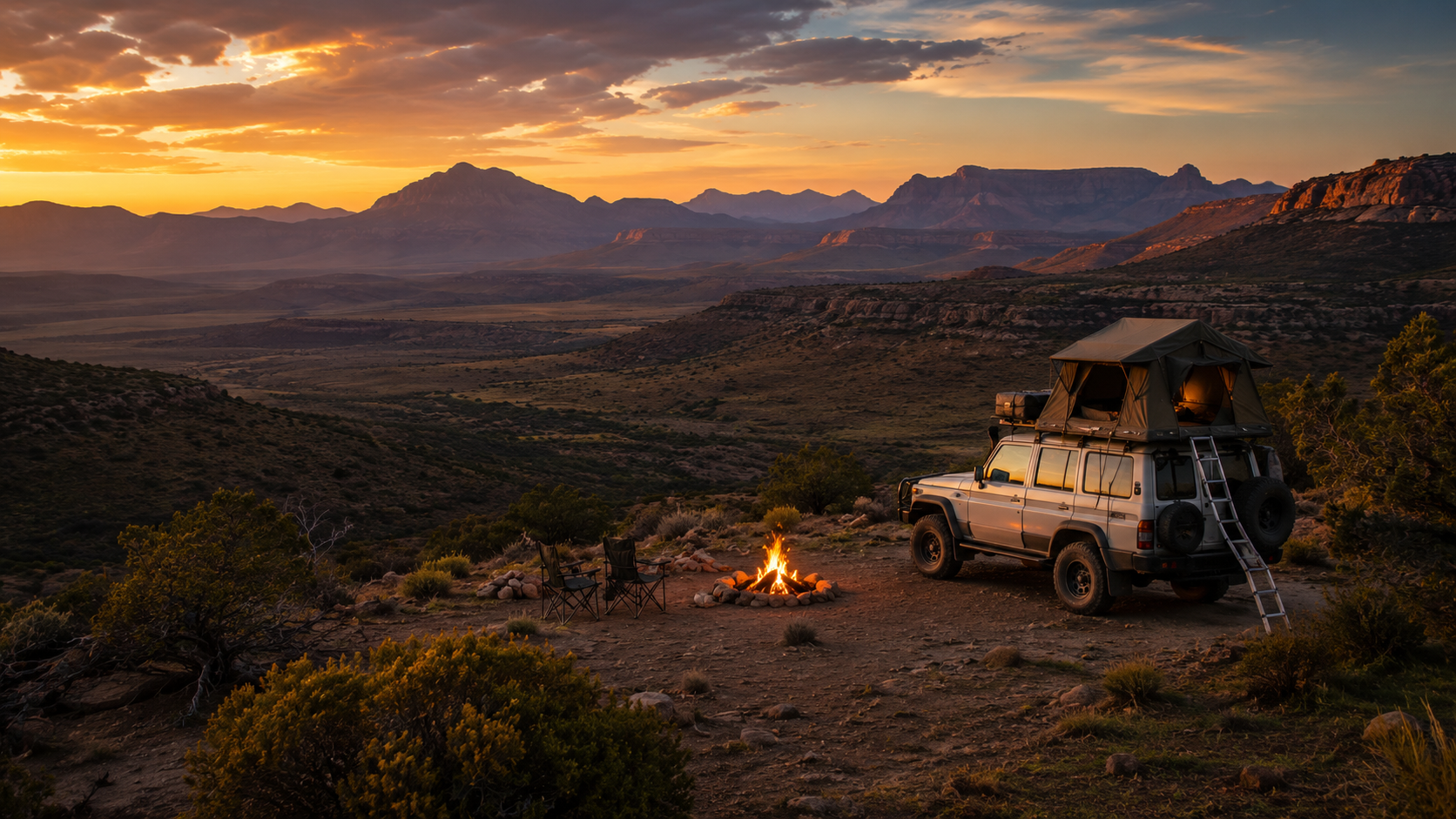
    For some campers, it’s a completely remote bush camp with no electricity, no mobile reception and little more than a place to pitch a tent. For others, it might be a small private campsite with solar power, basic ablutions and enough distance from town to enjoy a genuinely quiet weekend.

    For us, the important part isn’t how primitive the campsite is.

    It’s the experience of getting away from the crowds and closer to the landscape around you.

    That can include:

    • Remote bush camps
    • Private or exclusive-use campsites
    • Farm camps
    • Wilderness camps
    • Small eco-camps
    • Campsites reached by gravel or 4×4 tracks
    • Places with limited electricity or mobile reception
    • Campsites where privacy and nature matter more than resort facilities

    You don’t necessarily need a heavily modified 4×4 or expedition trailer either. Some off-grid destinations are surprisingly accessible, while others require proper preparation and a capable vehicle.

    Why Choose a Private or Secluded Campsite?

    There is something very different about arriving at a campsite and realising that, for the next night or two, this little piece of wilderness is yours.

    No neighbouring television.

    No generator firing up next to your tent.

    No queue for the braai.

    And hopefully nobody deciding that 06:00 is the perfect time to test their new sound system. 😂

    Private and smaller off-grid campsites can offer something increasingly difficult to find at popular destinations: space.

    For families and groups of friends, an exclusive campsite can also mean being able to relax without worrying about disturbing neighbouring campers. For photographers, birders and nature lovers, fewer people can mean a much quieter experience.

    And for many of us, sitting around a fire underneath a genuinely dark sky is worth considerably more than another row of resort facilities.

    Finding Off-Grid Campsites in South Africa

    This is one of the reasons we rebuilt the accommodation section of Off-Grid Adventures.

    Interesting campsites are frequently discovered through recommendations, Facebook posts and conversations between travellers. The problem is that a great recommendation posted today can disappear down a social-media feed within days.

    So we’re building something more permanent.

    Our Find Accommodation tool brings campsites and other off-grid stays together in a searchable directory where travellers can explore properties and contact accommodation owners directly.

    As more property owners join and claim their listings, the directory will continue to grow.

    Where to Look for Your Next Off-Grid Escape

    Rather than pretending there are only ten campsites in South Africa worth visiting, we’d rather help you explore by region.

    Western Cape

    The Western Cape offers an enormous variety of landscapes, from mountains and fynbos to the dry interior and rugged West Coast.

    It’s particularly well suited to travellers looking for weekend escapes from Cape Town as well as longer trips into more isolated areas.

    Searches for off-grid camping in the Western Cape are already among the ways travellers discover Off-Grid Adventures, so we’ll be expanding this part of our directory considerably.

    Northern Cape

    If your idea of camping involves big skies, long gravel roads and plenty of empty space, the Northern Cape deserves attention.

    The province lends itself particularly well to remote travel, with enormous distances and landscapes ranging from the Kalahari to Namaqualand and the Richtersveld.

    Preparation becomes more important as you travel farther from towns, particularly when it comes to fuel, water and communications.

    Limpopo

    Bushveld, wildlife areas and proximity to some of South Africa’s most popular overlanding regions make Limpopo an obvious destination for off-grid travellers.

    There are also smaller camps and privately operated properties outside the major tourism centres that can offer a very different experience from conventional resorts.

    Gauteng and Surrounding Areas

    You don’t always need a two-day drive to escape the city.

    Gauteng and the surrounding regions have bush camps, farms and nature properties that can work particularly well for a quick weekend away or even as a shakedown trip before a longer overland journey.

    They’re also useful for testing new camping equipment before discovering, 700 km from home, that something doesn’t work.

    Eastern Cape, KwaZulu-Natal and Beyond

    South Africa’s eastern regions offer another completely different style of off-grid travel: mountains, forests, rivers, coastal areas and extensive rural landscapes.

    Our directory is still growing, so some provinces currently have considerably more listings than others.

    That’s something we intend to change.

    Before You Book a Remote Campsite

    Remote camping rewards preparation.

    Before leaving, check directly with the property owner about current road conditions, vehicle requirements, water, ablutions, electricity, firewood, mobile reception and whether pets are permitted.

    Also establish whether the campsite is truly exclusive or simply described as “private” because the stands are spaced farther apart.

    If you’re travelling into genuinely remote areas, don’t rely entirely on mobile connectivity. Download maps before departure, let somebody know your plans and carry sufficient water and emergency supplies for the conditions.

    And remember that conditions change. A road that is easy in the dry season may be very different after heavy rain.

    Off-Grid Doesn’t Mean Uncomfortable

    There’s also a misconception that off-grid camping means deliberately making yourself miserable.

    It doesn’t.

    Solar systems, portable fridges, good lighting, modern tents and capable camping equipment mean it’s possible to be remarkably comfortable without needing a conventional powered campsite.

    The objective isn’t suffering.

    It’s independence.

    Being able to stay somewhere because you want to be there rather than because there’s an electrical socket next to the braai is one of the great freedoms of off-grid travel.

    Know a Campsite We Should Add?

    This is where we’d like the Off-Grid Adventures community to help.

    If you’ve discovered a private campsite, remote farm camp, bush camp or unusual off-grid place somewhere in South Africa, tell us about it.

    And if you own or manage one, you can list your accommodation on Off-Grid Adventures for free.

    Our goal is to build a useful, searchable collection of the places that are normally difficult to find — and keep those recommendations available long after a social-media post has disappeared down the feed.

    Find Your Next Off-Grid Campsite

    South Africa is far too large and varied for a single article to contain every worthwhile campsite — and that’s exactly what makes exploring it interesting.

    Use this guide as a starting point, browse our growing accommodation directory and keep checking back as new properties are added.

    Whether you’re looking for a private campsite for the weekend, a remote stop on an overland journey or somewhere completely off the beaten track, there is probably another little patch of South Africa waiting to be discovered.

  • When Off-Grid Adventurers Indulge: Exploring Luxury Glamping in Kruger’s Private Game Reserves

    When Off-Grid Adventurers Indulge: Exploring Luxury Glamping in Kruger’s Private Game Reserves

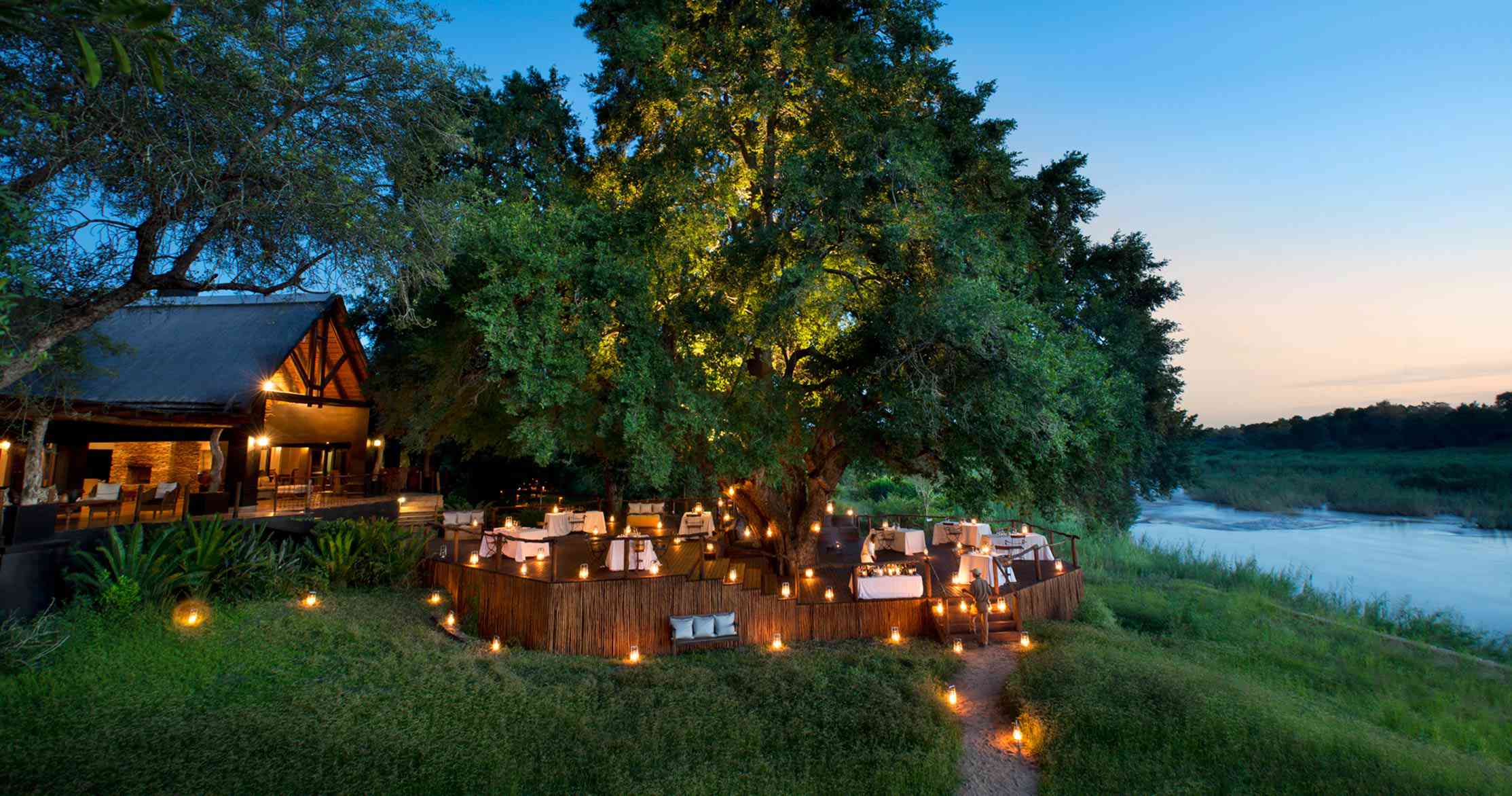
    At OffGrid Adventures, we’re all about embracing the wild, rugged, and remote corners of nature. We cherish the simplicity of camping under the stars, cooking over an open fire, and waking up to the sounds of the wilderness. But every now and then, even the most dedicated off-grid adventurer deserves a little pampering.

    Yes, we’re talking about leaving the tent and sleeping bag at home for a change. Sometimes, swapping out the campfire for a gourmet meal, and the camping mattress for a plush bed with a view, can offer a new perspective on the natural beauty we love so much.

    But what if we told you that there’s a way to enjoy the comforts of luxury while still being right in the heart of the wild, with no fences separating you from the vast, untamed wilderness of Kruger National Park?

    The Unfenced Frontier: Why It Matters

    In the early 1990s, a groundbreaking conservation initiative began in South Africa. The fences that once separated Kruger National Park from its neighboring private reserves were gradually removed, creating what we now know as the Greater Kruger National Park. This expansive area now covers over 20,000 square kilometers—an area larger than some countries!

    This decision to remove the fences wasn’t just about giving animals more space to roam, though that’s certainly a huge benefit. It was also about creating a more natural environment, where wildlife can follow ancient migratory routes, find mates from different gene pools, and live as they were meant to—without artificial boundaries.

    For conservationists, this was a dream come true. The integration of private reserves with Kruger has allowed for better wildlife management and monitoring, helping to protect endangered species and maintain the ecological balance of this vast area. The free movement of animals between Kruger and the private reserves means that visitors to these areas are likely to see the same incredible diversity of wildlife that Kruger is famous for, but in a more intimate, less crowded setting.

    Why This Is So Amazing

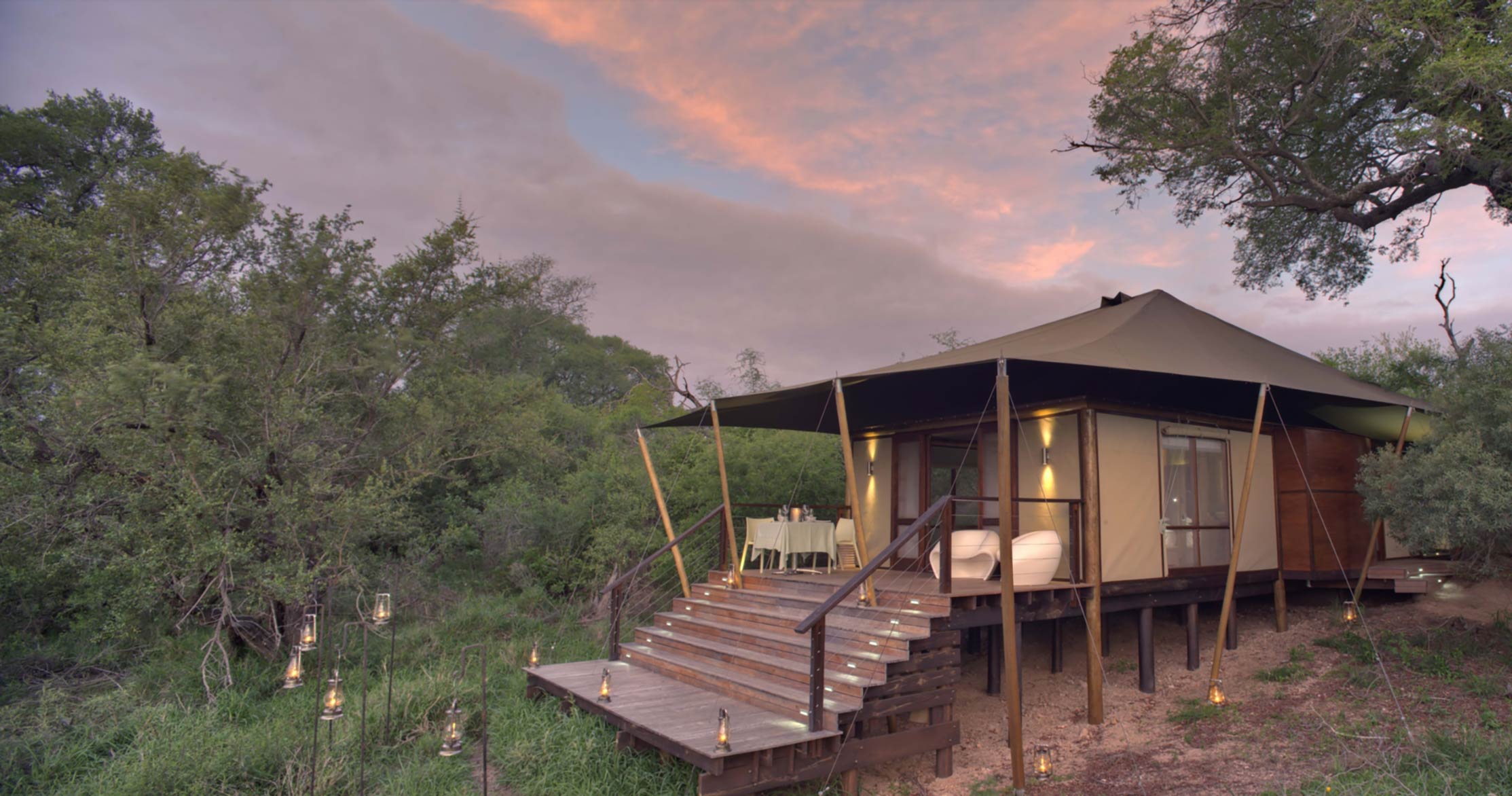
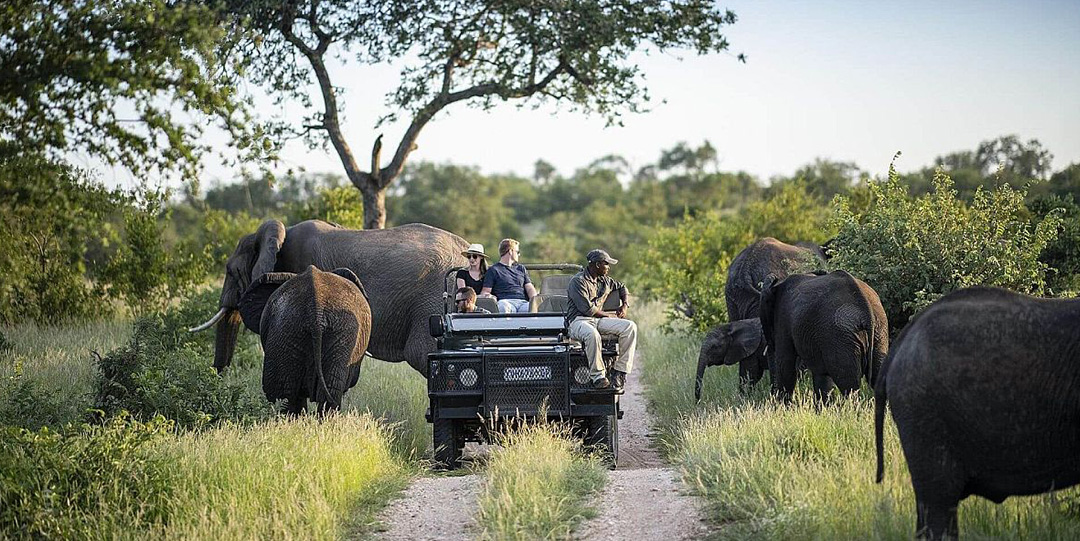
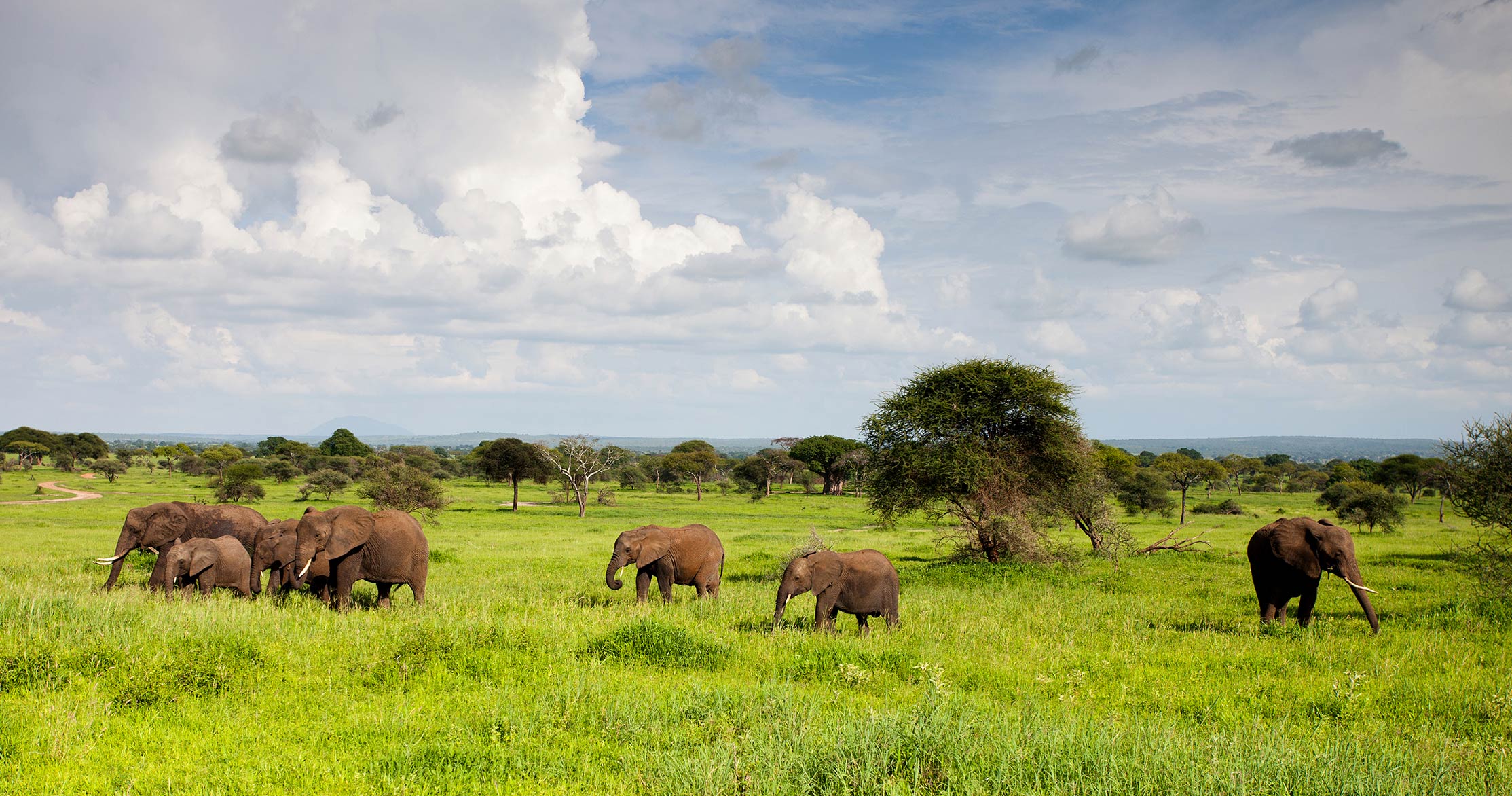
    Imagine this: You’re lounging on the deck of your luxurious safari tent, and in the distance, you see a herd of elephants gracefully making their way across the horizon. These are the same elephants that might have spent the morning in Kruger National Park, but now, as the sun begins to set, they’ve wandered into the private reserve where you’re staying. There are no fences to keep them out—this is their land, too.

    This free movement isn’t just incredible to witness—it’s vital for the health of the ecosystems in this area. By allowing animals to move as they naturally would, we’re helping to maintain the biodiversity that makes this part of the world so special.

    • Better Gene Pools: Animals can find mates from different areas, leading to healthier populations.
    • Natural Predation: Predators can follow their prey across larger territories, which helps maintain the balance of species in the ecosystem.
    • Wildlife Management: Conservationists can monitor and manage wildlife more effectively across this larger area, helping to protect endangered species and reduce human-wildlife conflict.

    In essence, staying at one of these private reserves doesn’t just give you a luxurious experience—it places you in the middle of one of the world’s most successful conservation stories.

    The Best of Both Worlds

    The Greater Kruger area, with its unfenced boundaries, offers a unique opportunity to experience Africa’s wildlife in a way that’s both immersive and indulgent. These private reserves have taken full advantage of their unique position, providing visitors with a chance to enjoy the wild in comfort, without compromising on the authenticity of the experience.

    In this blog, we’ll take you on a journey through six of these remarkable reserves, where you can enjoy the wild heart of Africa without sacrificing comfort. It’s the perfect way to reconnect with nature, all while indulging in the finest experiences South Africa’s wilderness has to offer.

    1. Sabi Sand Game Reserve: The Pinnacle of Luxury and Wildlife Encounters

    Credit to https://www.sabi-sands.com/

    When it comes to luxury safaris, Sabi Sand Game Reserve sets the gold standard. Imagine stepping into a world where the lines between opulence and the wild blur seamlessly. Sabi Sand is not just famous for its world-class lodges; it’s the birthplace of eco-tourism in South Africa. Back in the 1940s, this reserve was among the first to open its gates to the idea of commercial safaris. It’s where the magic of conservation and tourism first mingled, creating a legacy that continues to thrive today.

    But Sabi Sand’s allure doesn’t stop at its pioneering spirit. This reserve is the ultimate destination for spotting leopards. In fact, Sabi Sand is often dubbed the “Land of Leopards,” and for good reason. These elusive cats, often the hardest to spot on safari, are surprisingly common here. The leopards of Sabi Sand are accustomed to safari vehicles, allowing for breathtakingly close encounters that you’ll remember forever.

    Many of the lodges here are still family-owned, passed down through generations, which adds a deep, personal connection to the land. Staying at one of these lodges means not just experiencing luxury, but also becoming part of a family legacy that’s been intertwined with the African wilderness for decades.

    Why You’ll Love It:

    For those special moments when you want to experience the wild with a touch of extravagance, Sabi Sand delivers in spades. Whether it’s sipping champagne on your private deck while a leopard saunters by or relaxing in an open-air lounge with views that stretch endlessly into the bush, this is luxury that doesn’t just pamper—it connects you to nature in the most profound way.

    Info & Contact:

    2. Timbavati Private Nature Reserve: Where Luxury Meets the Wild

    Credit – https://www.visittimbavati.com/

    Timbavati is where rugged charm meets understated luxury, a place where you can embrace the wild without losing the comforts of modern living. This reserve is famous worldwide as the home of the rare white lions—a genetic marvel that has captivated wildlife enthusiasts for decades. Spotting one of these mythical creatures in the wild is a bucket-list experience that few places on Earth can offer.

    What makes Timbavati even more special is its strong commitment to conservation and community. The Timbavati Foundation works tirelessly with local communities to promote environmental education and sustainable development, ensuring that both the people and the wildlife thrive in this shared space. This isn’t just a place to visit; it’s a place where your stay actively contributes to preserving the beauty and biodiversity of the region.

    The landscapes here are as diverse as the wildlife. From open savannahs that stretch as far as the eye can see, to dense mopane woodlands and riverine forests, every game drive feels like an exploration of a new world. Whether you’re watching elephants bathe in a river or following a pride of lions across the plains, Timbavati offers a safari experience that’s as varied as it is thrilling.

    Why You’ll Love It:

    If you’re someone who appreciates the balance between comfort and authenticity, Timbavati is your ideal destination. Stay in a semi-luxury tented camp like Tanda Tula, where you can drift off to sleep with the sounds of the wild all around you, or enjoy a walking safari that lets you feel the pulse of the African bush with every step. Here, the wild feels close enough to touch, yet there’s always a comfortable bed and a delicious meal waiting for you at the end of the day.

    Info & Contact:

    3. Klaserie Private Nature Reserve: The Hidden Gem for Off-Grid Enthusiasts

    Credit – https://www.tourismupdate.co.za/

    Klaserie is the kind of place you might dream about when you think of an off-the-grid adventure. Tucked away from the more famous reserves, Klaserie offers an intimate, quieter safari experience that feels miles away from the bustle of modern life. It’s one of the largest privately owned reserves in South Africa, yet it remains blissfully uncrowded—a true hidden gem for those who crave solitude in the wild.

    One of the most unique aspects of Klaserie is its deep commitment to conservation. The reserve operates on a low-impact tourism model, ensuring that the environment and its inhabitants come first. This ethos is evident in everything from the minimalistic design of the lodges to the conservation-focused activities on offer. Here, you can stay at rustic camps like Africa on Foot, where you can literally sleep under the stars in a treehouse, surrounded by the sights and sounds of the African night.

    Klaserie is also steeped in cultural history, home to ancient San rock art sites that offer a fascinating glimpse into the lives of the people who lived in this region thousands of years ago. Exploring these sites adds a rich, historical dimension to your safari experience, making Klaserie a destination that’s as intellectually stimulating as it is visually stunning.

    Why You’ll Love It:

    Klaserie is perfect for those who want to disconnect from the digital world and reconnect with nature. Whether you’re waking up to the sunrise in a treehouse or exploring the reserve on foot with a knowledgeable guide, every moment here feels like an adventure. This is a place where the wild is truly wild, and where you can experience it all without the distractions of modern life.

    Info & Contact:

    4. Balule Private Nature Reserve: Eco-Conscious Luxury on a Budget

    Credit – https://www.tripadvisor.co.za/

    If you’ve ever thought that a luxury safari is out of reach, Balule Private Nature Reserve might just change your mind. This reserve offers a more budget-friendly approach to the Greater Kruger experience, without sacrificing the quality of the safari or the comfort of your stay. It’s an eco-conscious haven, where many lodges are designed to minimize environmental impact, making it a great choice for the responsible traveler.

    Before Balule became the thriving wildlife haven it is today, parts of the reserve were used for farming. Over the years, dedicated conservation efforts have restored these areas to their natural state, helping to re-establish the rich ecosystems that support a diverse array of wildlife. This transformation is a testament to the power of nature—and the dedication of those who work tirelessly to protect it.

    Staying in Balule is all about experiencing the Big Five without the big price tag. Whether you choose to stay at an eco-friendly lodge powered by solar energy or opt for a more rustic bush camp, you’ll find that the focus here is on connecting with the land and its inhabitants. The lodges may be simpler than those in Sabi Sand or Timbavati, but they offer a charm all their own, with a strong emphasis on sustainability and conservation.

    Why You’ll Love It:

    For those who want to enjoy a Big Five safari on a budget, Balule is the ideal choice. It’s a place where you can experience the thrill of the wild without compromising on your eco-conscious values. Imagine waking up to the call of the African fish eagle, knowing that your stay is contributing to the preservation of this incredible landscape—what could be better than that?

    Info & Contact:

    5. Manyeleti Game Reserve: The Place of Stars

    Credit – https://www.manyeleti.com/

    Manyeleti is one of those special places where you can truly feel the magic of Africa. Its name, meaning “Place of the Stars,” couldn’t be more fitting. At night, the skies here come alive with countless stars, thanks to the minimal light pollution. It’s no wonder that Manyeleti is a favorite among stargazers and photographers alike, who come to capture the beauty of the Milky Way stretching across the African sky.

    But the stars aren’t the only draw. Manyeleti is also a place of deep cultural significance, with a rich history tied to the Shangaan people who have called this area home for centuries. Unlike some of the more commercialized reserves, Manyeleti offers a more culturally immersive experience. Here, you can learn about the traditions and history of the local people, adding a meaningful layer to your safari adventure.

    What sets Manyeleti apart is its commitment to low-impact tourism. There are fewer lodges here, which means fewer vehicles on game drives, and more opportunities to enjoy a peaceful, uninterrupted connection with nature. Whether you’re tracking lions through the bush or watching elephants at a waterhole, you’ll find that the safari experience in Manyeleti feels more exclusive and intimate.

    Why You’ll Love It:

    If you’re looking for a safari experience that combines natural beauty with cultural depth, Manyeleti is the place for you. Spend your days exploring the bush, and your nights marveling at the stars—this is a reserve where the wonders of the earth and the sky come together in perfect harmony.

    Info & Contact:

    6. Umbabat Private Nature Reserve: The Quiet Retreat

    Credit – https://umbabat.com/

    Tucked away in a quieter corner of the Greater Kruger area, Umbabat Private Nature Reserve is the perfect retreat for those who want to escape the crowds and immerse themselves in nature. This reserve is part of a collective known as the Associated Private Nature Reserves (APNR), which includes Timbavati, Klaserie, and Balule. Together, these reserves form a vast, uninterrupted wilderness area where wildlife can roam freely, just as nature intended.

    Umbabat is particularly known for its intimate, unfenced camps, like Shindzela Tented Safari Camp. Here, you’re not just visiting the wild—you’re living in it. With no barriers between you and the surrounding bush, it’s not uncommon for elephants or lions to wander through the camp, offering a thrilling reminder of the raw power of nature. It’s a place where you can truly disconnect from the world and reconnect with yourself and the environment.

    But Umbabat isn’t just about solitude. The reserve also places a strong emphasis on education and conservation. Many of the lodges and camps here host school groups and offer educational programs aimed at fostering a love for nature among the younger generation. This focus on nurturing future conservationists adds a meaningful layer to your stay, knowing that your visit is contributing to the preservation of Africa’s wildlife for years to come.

    Why You’ll Love It:

    If you’re yearning for a safari experience that’s intimate, raw, and deeply connected to the earth, Umbabat is the place for you. With its unfenced camps and focus on immersive, educational experiences, this reserve offers a rare chance to live side by side with Africa’s most iconic wildlife. Imagine waking up to the sounds of nature all around you, with nothing but canvas between you and the wild. It’s a true escape, perfect for those who want to leave the hustle of everyday life behind and lose themselves in the beauty of the bush.

    Info & Contact:

    Conclusion: When Luxury and Nature Go Hand in Hand

    Even the most seasoned off-grid adventurer deserves a break from the norm. These private game reserves bordering Kruger National Park offer the perfect escape—a chance to enjoy the best of both worlds. Whether you’re looking to celebrate a special occasion, or simply want to treat yourself to a little luxury, these reserves provide an unparalleled connection to nature, all while indulging in the comforts of world-class accommodations.

    So, the next time you feel the call of the wild, but your back says otherwise, consider trading in your tent for a luxury lodge, where you can enjoy the sights and sounds of the African bush without sacrificing comfort.

  • Comparing Off-grid Experiences: Botswana vs. Namibia – Where to Spend Your Money?

    Comparing Off-grid Experiences: Botswana vs. Namibia – Where to Spend Your Money?

    Exploring Southern Africa offers a plethora of breathtaking off-grid adventures, particularly through its iconic safari experiences. “Botswana vs Namibia” is a common debate among travelers seeking the best safari destinations in Africa. Each offers unique landscapes and wildlife experiences, but there’s much discussion over which provides better value for the adventurous and eco-conscious traveler.

    In a recent discussion on the Facebook Group “Off-Grid Adventures” this led to some valuable insights form group members with many years of experience in touring these regions. This is blog is based on their input.

    Costs and Value in Botswana:

    Harold Strydom recently returned from a trip to Botswana where he found the costs for entry and accommodation in national parks like Chobe and Savuti to be prohibitively expensive. For example, a day’s visit and an overnight stay at Savuti cost him and his wife over R2178.00, which Harold felt did not match the value, especially considering the poor road conditions.

    A Different Perspective on Botswana’s Pricing Strategy:

    Bernie Williams points out that Botswana’s high-cost, low-impact strategy is intentional, aiming to reduce the ecological footprint of tourism. This perspective is essential for understanding the pricing model, although it doesn’t alleviate the sting for budget-conscious travelers.

    Comparative Experience in Namibia:

    In contrast, experiences from travelers like Russell Pengelly highlight Namibia as a more budget-friendly option, with better roads and affordable camping. The Caprivi Strip, for instance, is mentioned by Les Woods as having hidden gems that offer great value outside of the expensive Botswanan parks.

    Personal Planning and Off-the-Beaten-Path Adventures:

    Marius Hendriks and others suggest that with better planning and opting for community camps or wild camping outside the well-known parks, Botswana can still be a viable destination. This sentiment is echoed by travelers who have ventured off the main tourist routes to find rewarding experiences at a fraction of the cost.

    Conclusion:

    Choosing between a Botswana safari and a more budget-friendly Namibian adventure depends largely on what you seek from your off-grid adventure. Botswana offers exclusive, eco-friendly safaris designed to preserve its pristine wilderness, while Namibia appeals to those looking for affordable and accessible wildlife experiences. Consider your travel style, budget, and ecological impact when planning your safari to ensure a fulfilling and responsible adventure.

    Final Thoughts and Invitation to Comment:

    We’d love to hear from you! If you have traveled to Botswana or Namibia, share your experiences and tips in the comments below. Your insights can help fellow travelers make informed decisions. (remember to register your user account and to leave a comment.)

    Sign up to our Newsletter for more articles or listings.

    [wpzf_form id=”7639″]